Do you have a passion for adventure and a love for travel? Are you planning a backpacking trip through Italy in 2026 but feeling overwhelmed by the abundance of destinations and information? Well, no more!
This guide provides tips, must-visit destinations, and important information for your next backpacking adventure in Italy. Whether you’re a seasoned traveler or a first-time backpacker, this guide will ensure you make the most of your Italian journey and have that unforgettable experience.
Index
Is Italy good for Backpacking?
Italy is one of the most popular destinations for backpackers worldwide. Whether you are a budget backpacker looking for affordable hostels or a digital nomad taking advantage of Italy’s mature Digital Nomad Visa program, the country has something for everyone.
From the rolling vineyards of Tuscany to the ancient streets of Rome and the romantic canals of Venice, Italy is a treasure trove of unique experiences. Even better, backpackers can indulge in world-renowned cuisine and art while soaking up a culture that has successfully balanced its rich history with modern, sustainable travel initiatives.
What cities to visit in Italy when Backpacking
Italy is a backpacker’s paradise, offering endless possibilities for exploring its rich history, diverse culture, and stunning landscapes. From the charming canals of Venice to the ancient ruins of Rome, the country is home to countless cities you can discover.
Central Italy
- Rome: The Eternal City remains a must-visit. It is an affordable city for those who know where to look, with a massive density of hostels. Note that in 2026, most major landmarks require digital reservations at least a week in advance to manage crowds.
- Florence: Considered Italy’s cultural heart, this stunning Renaissance city is perfectly walkable, making it ideal for budget backpackers.
- Tuscany: A region of stunning landscapes and world-renowned vineyards. While agriturismos (farmhouses) are still popular, be sure to book early, as they are highly sought after by the growing remote-work community.
- Bologna: A university town with a lively, youthful atmosphere. It remains the best base for exploring the foodie hills of Emilia-Romagna.
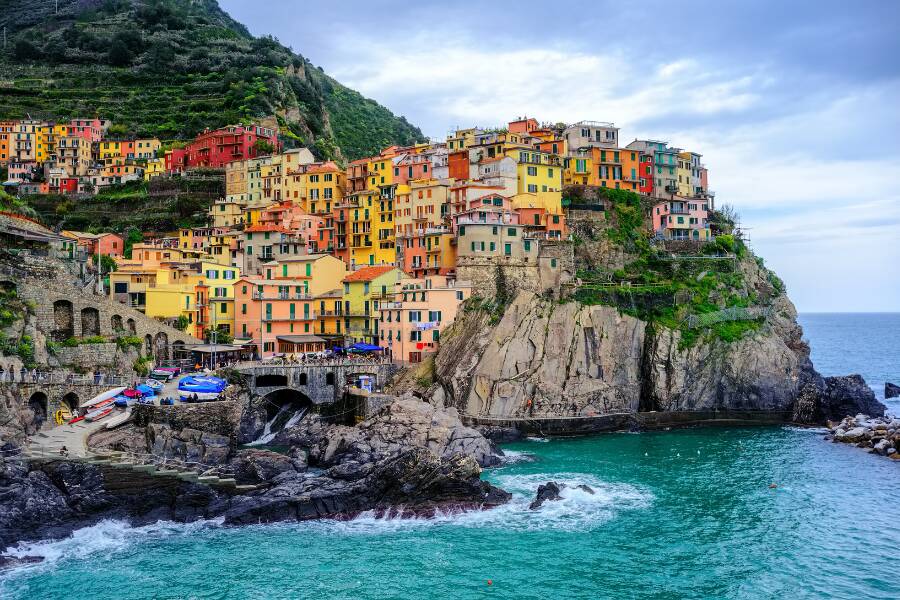
- Cinque Terre: Five colorful seaside villages. In 2026, the “Via dell’Amore” (Path of Love) is fully reopened but requires a separate €10 supplement and a timed entry slot on top of your Cinque Terre Trekking Card. Additionally, on peak days, some trails operate a one-way system (Monterosso to Vernazza) until 2:00 PM to manage hiker traffic
South Italy
- Naples: A bustling city famous for its pizza and proximity to Pompeii. High-speed rail now connects Naples to Rome in just over an hour, making it easier than ever to use as a southern hub.
- Amalfi Coast: Italy’s most picturesque Mediterranean destination. To protect the environment, there are now restricted “alternate plate” driving rules on the coastal road, so backpackers should rely strictly on the Sita buses or the frequent ferries.
- Bari: A vibrant port city in Puglia. It is a great starting point for exploring the iconic trulli houses of Alberobello, which have become a backpacker favorite for their unique architecture.
- Catania: Located in Sicily, Catania is known for its Baroque architecture and Mount Etna. Sicily is a top hub for digital nomads, offering a lower cost of living than the north and a robust remote-work community.
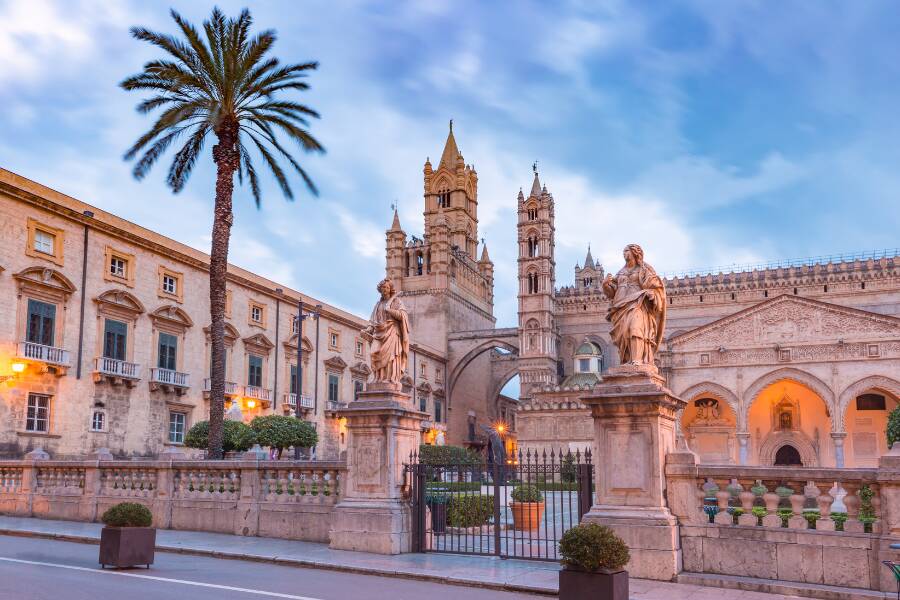
- Palermo: The capital of Sicily is ideal for budget travelers. It offers some of the best street markets in Europe, where you can eat cheaply and authentically.
North Italy
- Genoa: A fantastic destination for those who want a city rich in history without the massive tourist crowds of Rome or Venice.
- Turin: Often overshadowed, Turin is known for its elegant architecture and rich history. It also provides easy train access to the nearby Dolomites for rock climbing and hiking.
- Milan: The capital of fashion and design. While the “nightlife” is legendary, backpackers should stick to the Navigli district for “Aperitivo” to get the most value for their money.
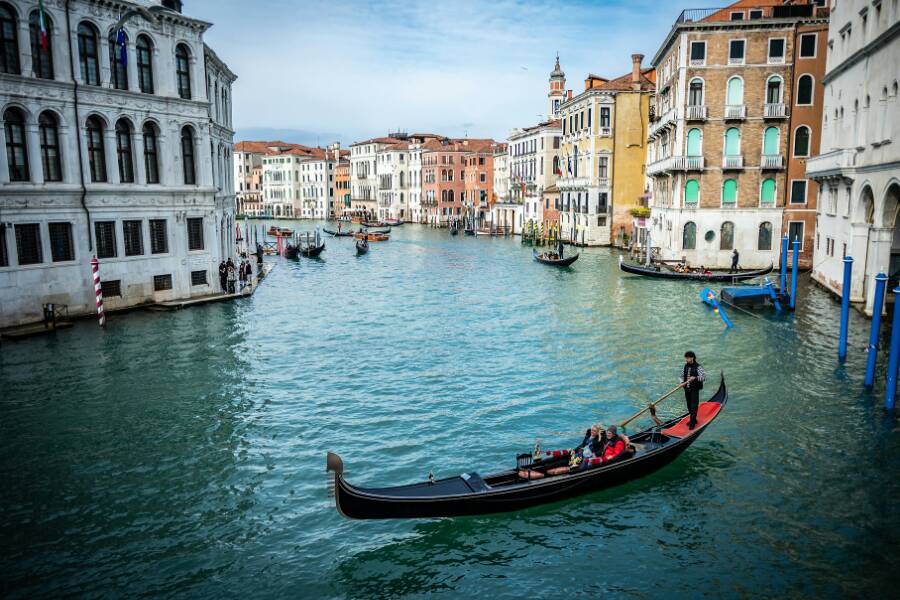
- Venice: Famous for its canals and bridges. New for 2026: Venice has implemented an Access Fee (Contributo di Accesso) of €5–€10 on peak days for day-trippers. As a backpacker staying in a hostel within the city, you are exempt from the fee, but you MUST register online to receive a QR code for entry at city checkpoints.
Money-saving tips for 2026
Tips for your next backpacking adventure in Italy:
- Camping: This is still a great way to save, but prices have shifted. Expect to pay between €25 and €45 per night for a basic pitch in popular regions. It’s no longer the $10-per-night steal it used to be, but it remains cheaper than hotels.
- The Euro (€): Italy uses the Euro. Ensure you have a digital-friendly bank (like Revolut or Wise) as Italy has become increasingly cashless; even small cafes now prefer card or phone payments.
- Cook for yourself: Eating out in tourist areas is expensive. Buying high-quality Italian groceries and using hostel kitchens remains the #1 way to keep your daily spend under €50.
- Train over ride-sharing: While services like BlaBlaCar exist, Italy’s rail modernization in 2026 has made high-speed and regional trains faster and more reliable than carpooling. Use the Trenitalia or Italo apps to book “Economy” fares in advance.
- Travel with friends: Splitting the cost of an Airbnb or a “family” pitch at a campsite can significantly lower your per-person costs.
How long should I spend backpacking in Italy?
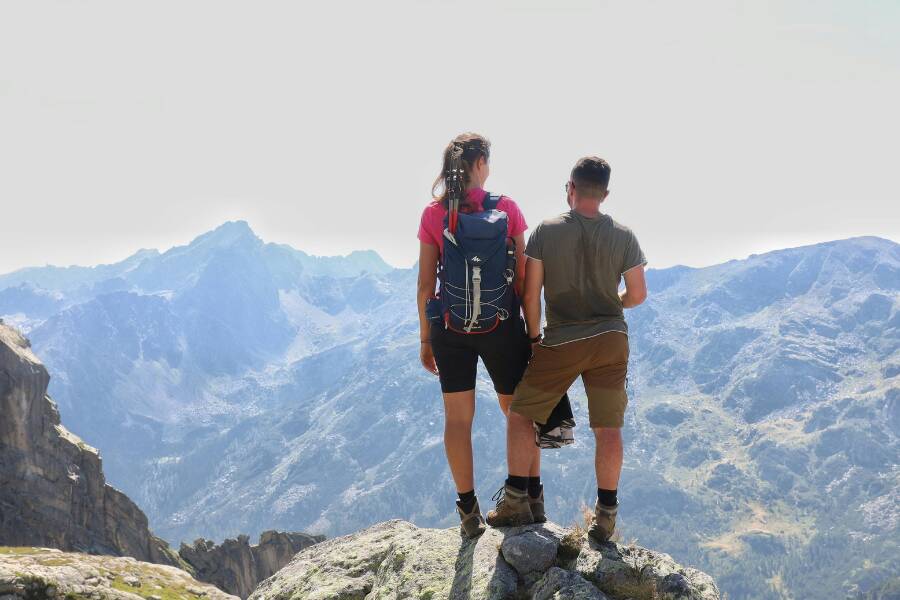
To fully immerse yourself, we recommend 4-8 weeks. This allows you to see the “Big Three” (Rome, Florence, Venice) while still having time for the south (Sicily/Puglia) and the north (Dolomites/Milan). If you have only 2-3 weeks, pick one half of the country (North or South) to avoid spending your whole trip on a train.
Accommodation in Italy
Italy is a backpacker-friendly country, and most major destinations have various accommodation options for budget travelers. Hostels are the most popular choice among backpackers; you can find a good selection nationwide. The best thing about hostels in Italy is that they are of exceptional quality, and many offer comfortable and stylish dorms, private rooms, and communal areas.
However, it’s important to note that hostel prices can increase significantly during the peak tourist season, and booking in advance is recommended to secure your spot. If you’re traveling in a group, consider booking an apartment or holiday home, which can be a more cost-effective and comfortable option, especially if you plan your trip to Italy to stay in one place for an extended period. Whatever your preference, you’ll find a wide range of accommodation options in Italy to suit your budget and travel style.
Best time of the year to backpack through Italy
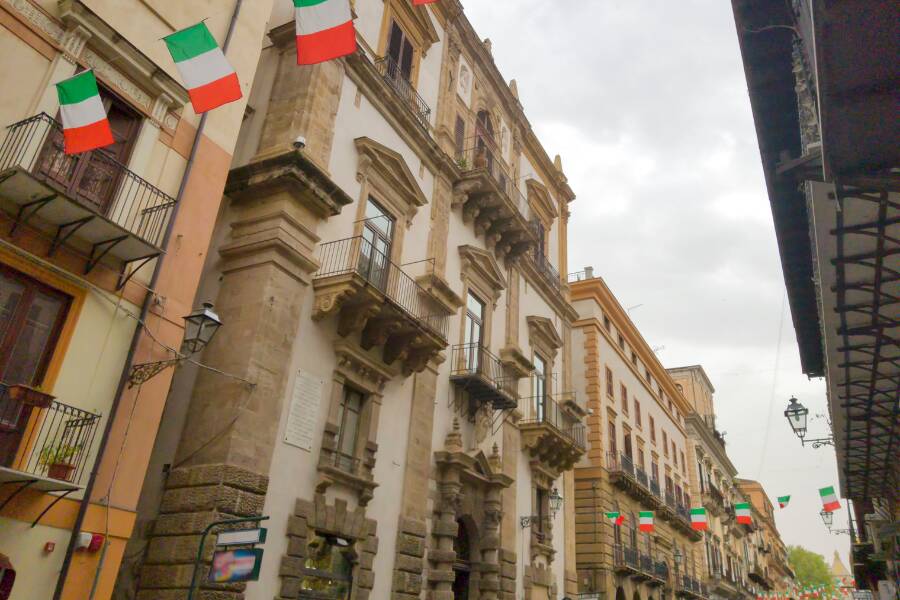
The best time to visit Italy is during the spring (April–June) and autumn (September–October). Important Weather Update: In recent years, August heatwaves have become extreme, with temperatures in central and southern Italy frequently hitting 110°F (43°C). Many locals close their shops in August, and the heat makes city backpacking dangerous. Avoid July and August if possible.
Don’t backpack without Travel Insurance
It is essential to have travel insurance in 2026. In addition to health and theft coverage, insurance like Heymondo provides digital certificates that you can show directly on your phone to Italian clinics. Accidents and medical issues can occur unexpectedly, and without insurance, a simple hospital visit in Italy could cost you thousands of euros.
Pro Tip: Make sure your insurance covers “Adventure Sports” if you plan on hiking in the Dolomites or the Path of the Gods!
Featured stories