Bolivia is a land of superlatives and raw, untamed beauty. It is the highest, most isolated, and perhaps the most authentic country in South America. From the surreal, mirror-like expanse of the Salar de Uyuni to the dizzying heights of La Paz, this is a destination that demands your full attention—and a spirit for adventure.
Whether you are navigating the chaotic charm of indigenous markets or trekking through the lush Amazon basin, Bolivia offers experiences you simply cannot find anywhere else. However, with great adventure comes the need for great preparation. Traveling through the Andes or the jungle involves unique risks, from altitude sickness to sudden flight cancellations.
For total peace of mind, consider taking out travel insurance before you set off. It ensures that whether you’re dealing with a lost bag in Sucre or a medical emergency in the Altiplano, you’re never alone.
Index
What to see in Bolivia
To understand Bolivia, you must first embrace its diversity. The country is divided into the high-altitude Altiplano (Highlands) and the tropical Lowlands. Most travelers begin their journey in the clouds, but the variety of landscapes is what makes this country a “bucket list” staple.
The magic of the Altiplano
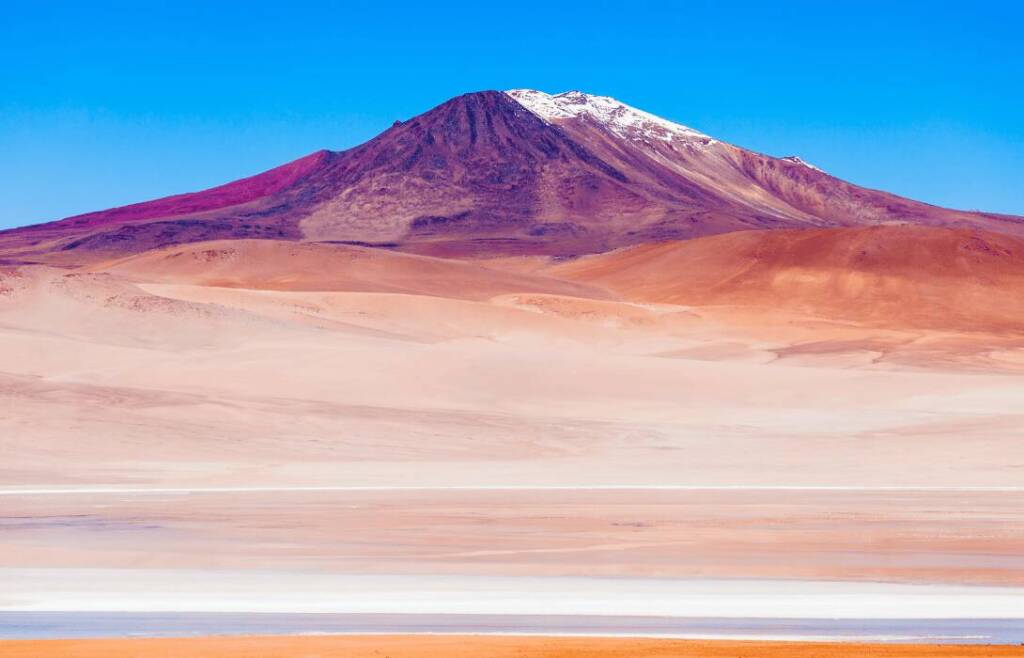
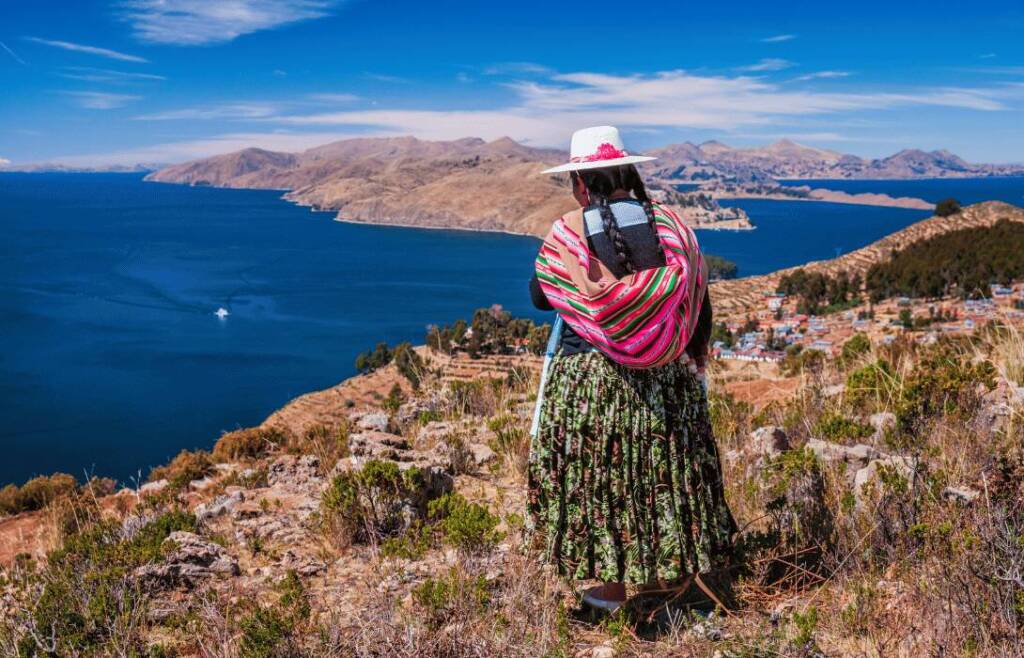
The Altiplano is the heart of the Bolivian experience. Here, the air is thin, the sky is a piercing blue, and the indigenous Aymara and Quechua cultures remain vibrant. You’ll see women in traditional pollera skirts and bowler hats navigating modern cities and rural villages alike.
The Tropical Lowlands
If you head east or north, the mountains drop away into the Amazon rainforest and the Chiquitania region. This area offers an entirely different vibe—warmer, greener, and teeming with wildlife. It’s a side of Bolivia many tourists overlook, but one that is essential for a complete perspective.
Expert tip: Having travel insurance isn’t just about big accidents; it’s about having a team to call when a sudden strike cancels your bus or a bout of “soroche” (altitude sickness) requires a doctor’s visit.
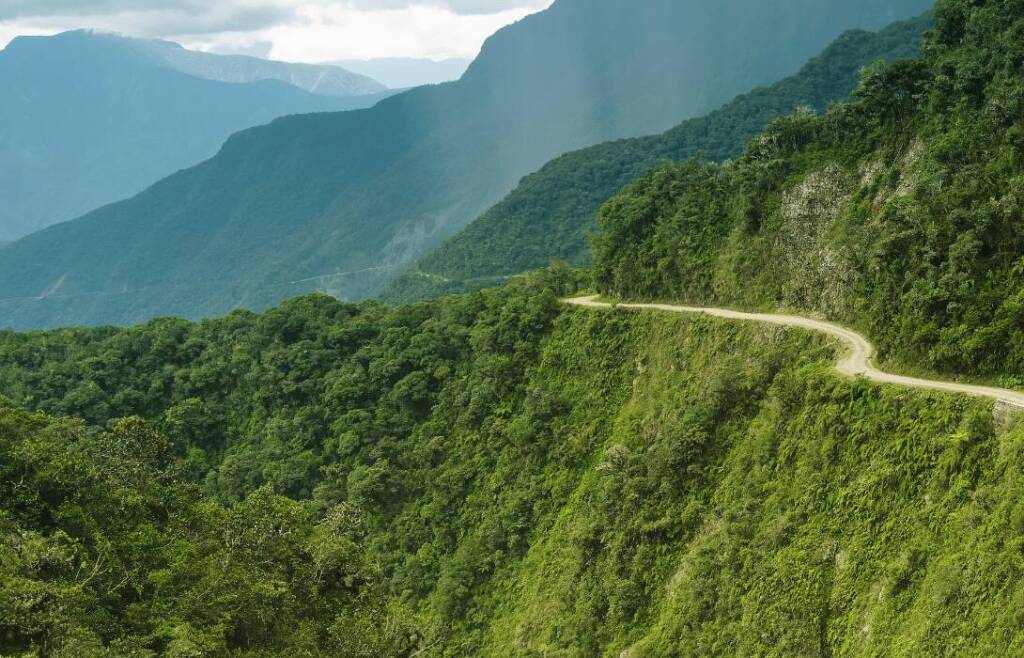
Quick glance: Top destinations
| Destination | Experience type | Average altitude | Common risk |
| Salar de Uyuni | Surreal Landscapes | 11,975 ft | Extreme cold / Remoteness |
| La Paz | Urban Culture & Chaos | 11,942 ft | Altitude sickness (soroche) |
| Madidi Park | Wildlife & Jungle | 650 ft | Tropical insects/illness |
| Sucre | Colonial History | 9,186 ft | Travel delays |
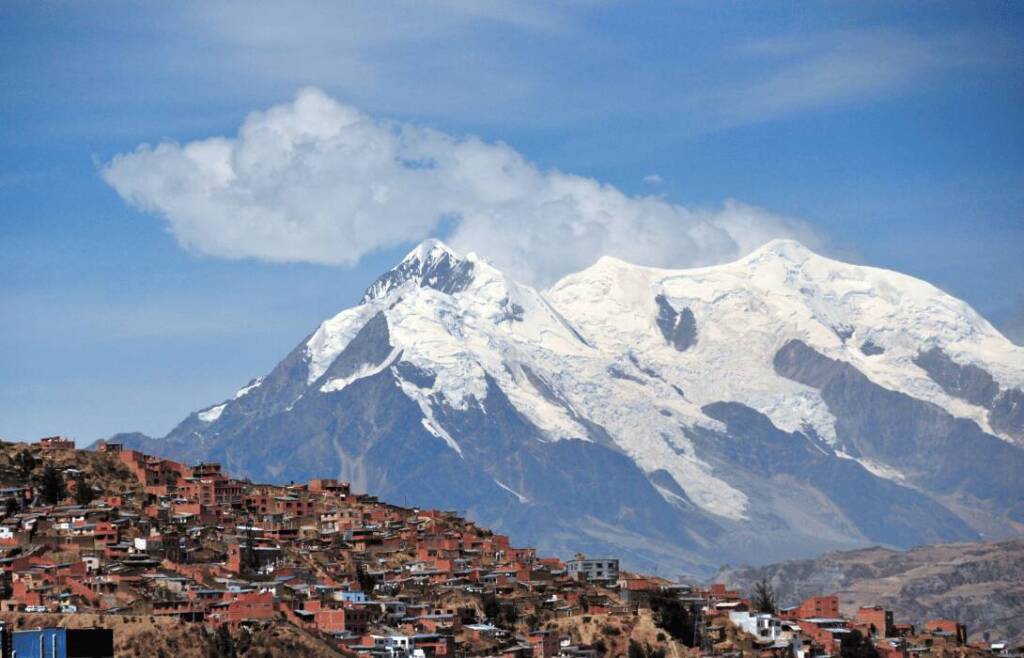
Salar de Uyuni: The must-visit salt flats in Bolivia
No list of what to see in Bolivia is complete without the Salar de Uyuni. Stretching over 10,000 square kilometers, it is the world’s largest salt flat.
The rainy season mirror effect
If you visit between January and March, a thin layer of water covers the salt. This transforms the ground into a giant mirror, perfectly reflecting the clouds above. It is a photographer’s dream and feels like walking on the sky.
The Dry Season Landscapes
From May to October, the water evaporates, leaving behind a crust of hexagonal salt tiles. This is the best time to visit Incahuasi Island, a rocky outcrop covered in giant cacti that stands in the middle of the white “sea.”
Exploring the Eduardo Avaroa Reserve
Most tours to the Salar are 3-day expeditions that continue into the Eduardo Avaroa Andean Fauna National Reserve. Here, you will see:
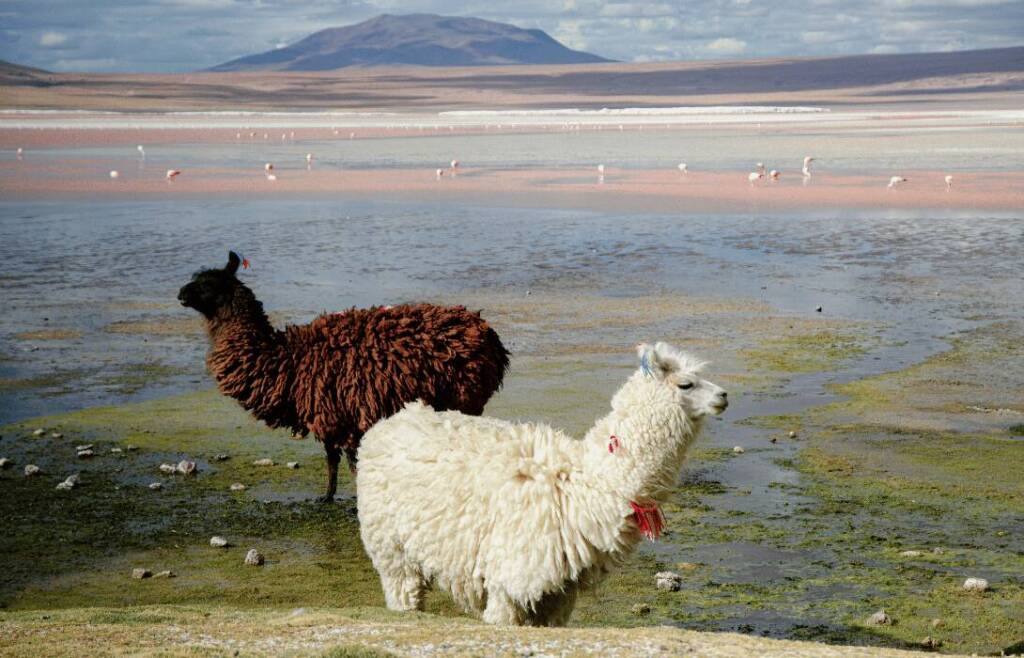
- Laguna Colorada: A bright red lagoon filled with thousands of pink flamingos.
- Laguna Verde: A stunning turquoise lake at the foot of the Licancabur Volcano.
- Sol de Mañana: A high-altitude geyser field with bubbling mud pots.
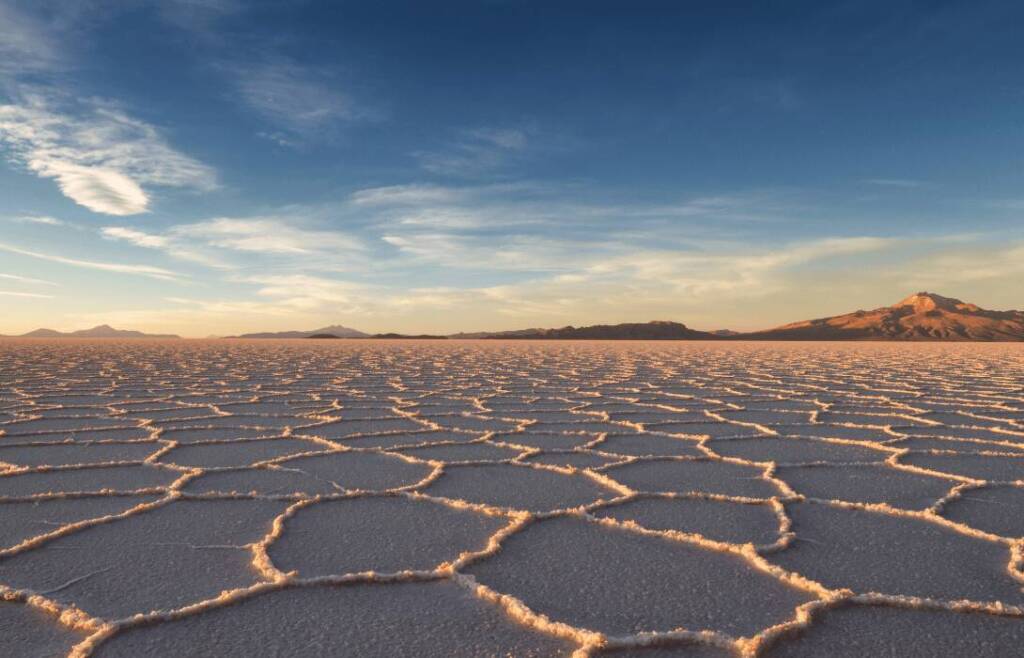
Cities with soul: The chaos of La Paz and the elegance of Sucre
Bolivia’s cities offer a fascinating look into the country’s history of resistance and colonial past.
La Paz: The Metropolis in the clouds
La Paz is a sensory explosion. The best way to navigate it is via the Teleférico (cable car system). It’s the world’s highest public transit network and offers “bird’s-eye” views of the sprawling city below.
- The Witches’ Market: A place to find traditional charms, dried llama fetuses, and herbal medicines.
- Valley of the Moon: Located just outside the city, these clay formations look like something from another planet.
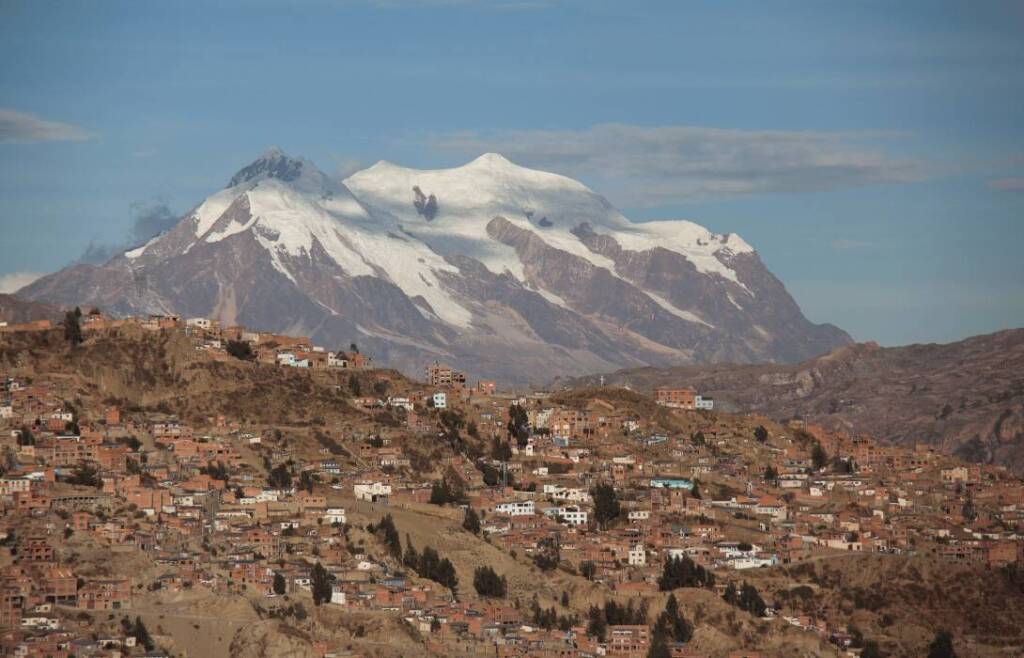
Sucre: The white city
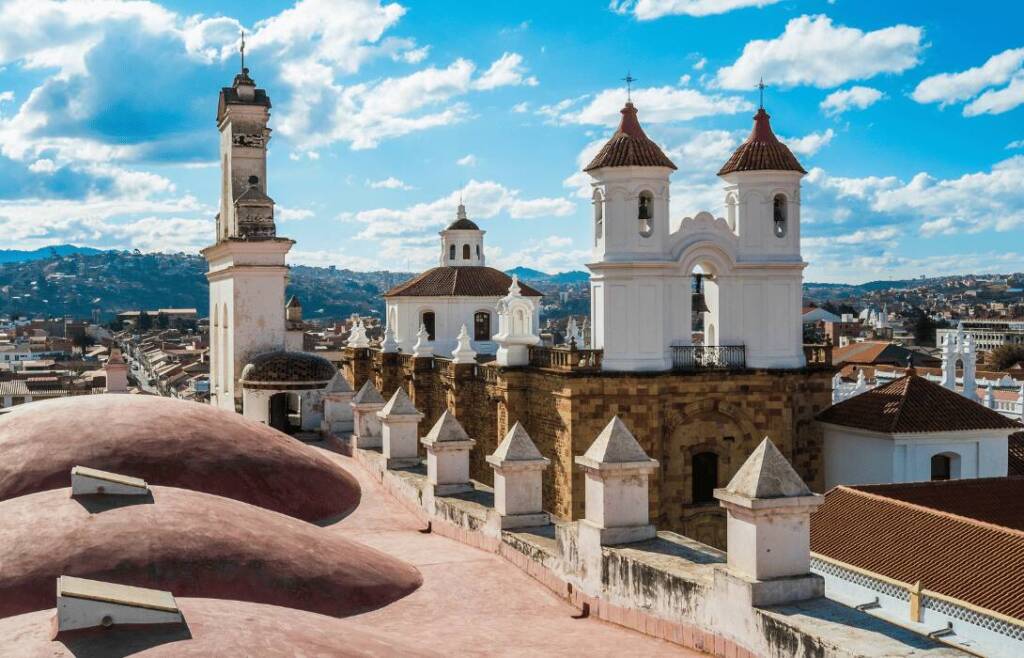
Sucre is the constitutional capital and arguably the most beautiful city in the country. Its pristine white colonial buildings and Mediterranean-style climate make it a favorite for travelers looking to relax or take Spanish lessons. Don’t miss Cal Orck’o, a massive limestone wall featuring over 5,000 dinosaur footprints.
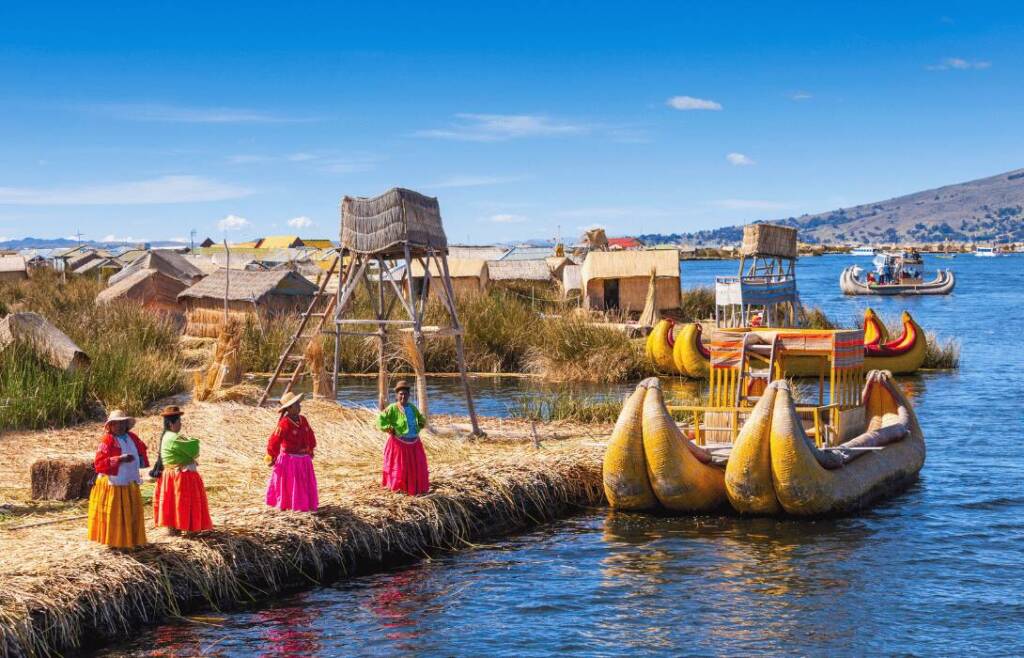
Lake Titicaca: Navigating the Cradle of the Incas
Bordering Peru, Lake Titicaca is the highest navigable lake in the world at 12,500 feet. For the Incas, this was the sacred birthplace of the sun.
Copacabana and Isla del Sol
The town of Copacabana is the main hub on the lake. From here, you can take a boat to Isla del Sol (Island of the Sun). There are no cars on the island, only ancient stone paths, agricultural terraces, and stunning views of the snow-capped Andes in the distance.
The Bolivian Amazon: Biodiversity in Madidi and the Pampas
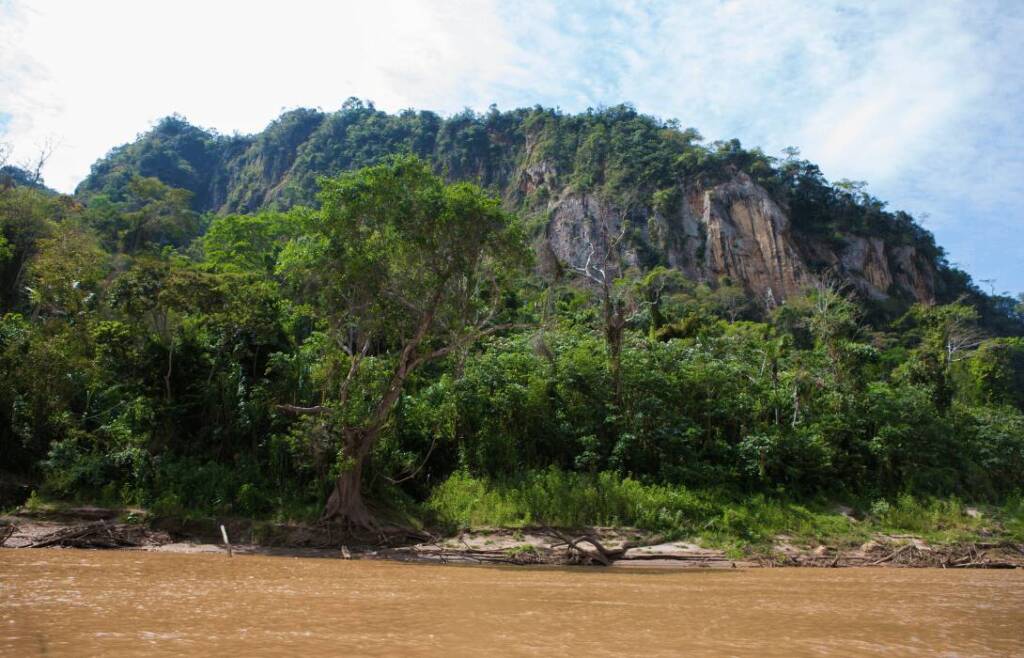
It’s easy to forget that over half of Bolivia is covered by the Amazon. From the gateway town of Rurrenabaque, you can access two very different ecosystems:
- Madidi National Park: One of the most biodiverse places on the planet. It’s perfect for deep-jungle trekking and learning about medicinal plants.
- The Pampas: These wetlands offer easier wildlife viewing. You can see pink river dolphins, capybaras, caimans, and various monkey species from the comfort of a motorized canoe.
Top tip: Jungle environments present risks like stomach bugs or tropical infections. With the Heymondo App, you have a 24/7 medical chat at your fingertips, allowing you to consult a doctor instantly without worrying about the cost.
Plan your trip to Bolivia: recommended itineraries and budget
2-week itinerary
- Days 1-3: La Paz & Moon Valley.
- Days 4-5: Lake Titicaca (Isla del Sol).
- Days 6-8: Amazon (Pampas tour).
- Days 9-11: Salar de Uyuni & Lagoons.
- Days 12-14: Sucre & Potosí.
Daily budget (2026 estimates)
- Backpacker: $35–$50 USD.
- Mid-range: $80–$120 USD.
- Luxury: $200+ USD.
The best time to visit Bolivia: Understanding climate and altitude
The seasons
- Dry season (May–October): Best for trekking and seeing the Salar de Uyuni in its “white desert” state. Nights are freezing.
- Rainy season (November–April): Best for the “mirror effect” on the salt flats. Expect road closures and flight delays.
Managing Altitude Sickness (Soroche)
Most of Bolivia’s highlights are above 3,500 meters. Altitude sickness is a real concern. Drink plenty of coca tea, stay hydrated, and rest for the first 24 hours. If symptoms persist, having Heymondo’s 24/7 assistance via the Heymondo App can connect you with a doctor instantly.
Practical travel tips for Bolivia
- Visas: US citizens require a visa (approx. $160). Many European and South American citizens enter visa-free.
- Currency: The Bolivian Boliviano (BOB) is the local currency. Cash is king, especially in markets.
- Safety: While generally safe, petty crime occurs in crowded areas. Always use “Radio Taxis” and keep an eye on your bags.
Travel to Bolivia safely
Bolivia is a destination that will change you. Its landscapes are raw, its culture is deep, and its adventures are unmatched. However, the unpredictability of the Andes and the Amazon means you should always be prepared. Please keep in mind that having travel insurance can help you enjoy your adventure with total peace of mind. Whether it’s a flight delay or a sudden health issue at 4,000 meters, we’ve got your back.
Featured stories