Last Updated: August 2026
For the vast majority of international visitors, Vietnam remains one of the safest and most welcoming destinations in Southeast Asia. It’s ranked number 41 of 163 countries in the Global Peace Index 2026, reflecting strong domestic stability and low national conflict risk. Violent crime against tourists is exceedingly rare. Still, avoiding unexpected hassles requires a basic understanding of entry procedures, local transit regulations, and health precautions.
Index
Official Safety Ratings and Entry Requirements
The U.S. Department of State maintains a Level 1 Travel Advisory (Exercise Normal Precautions) for Vietnam.
While national indices focus on broad stability, user-reported databases like Numbeo offer a snapshot of everyday urban safety. Vietnam ranks fourth in Southeast Asia on Numbeo’s Safety Index with a score of 60.2, trailing Singapore, Brunei, and Thailand while pacing ahead of regional neighbors facing higher crime rates.
While overall risk remains low, visitors must comply with specific entry regulations prior to departure:
- Pre-Arrival Declaration: All foreign passport holders arriving by air must submit an online health and entry declaration within 72 hours of landing and save the QR code for immigration.
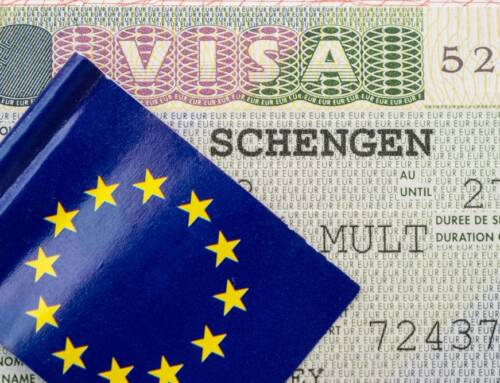
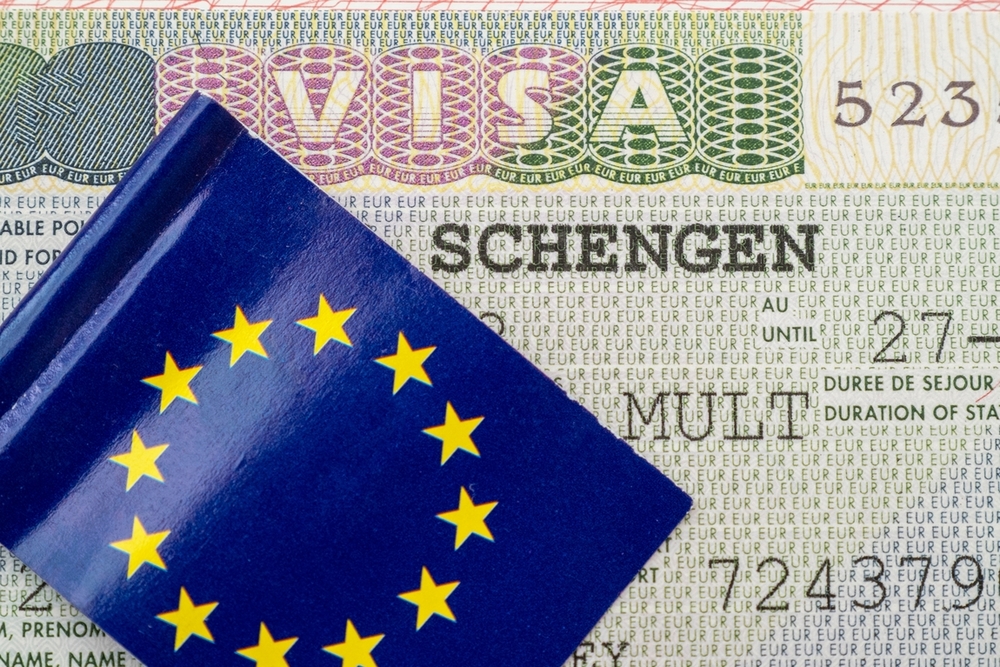
- Visa Requirements for U.S. Citizens: American travelers need a valid entry permit for mainland visits. The 90-day e-Visa serves as the most flexible option.
- Phu Quoc Exemption: A 30-day visa exemption applies exclusively to travelers flying directly to Phu Quoc Island without visiting the mainland.
- Passport Validity: Your passport must remain valid for at least six months past your planned departure date.
Scooter Regulations and Transportation Safety
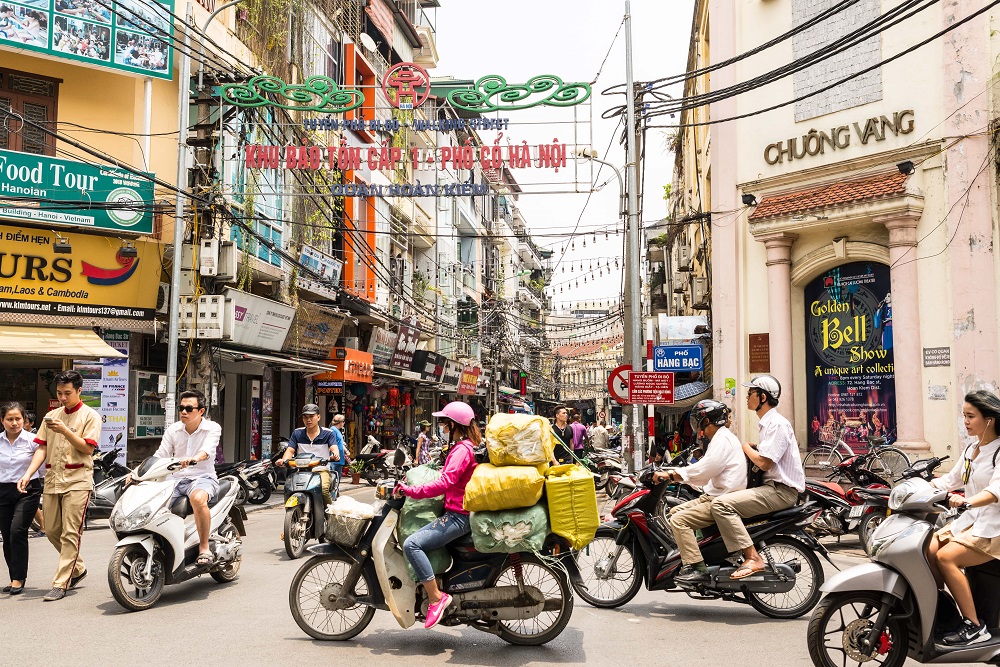
Urban traffic in Hanoi and Ho Chi Minh City moves fast and tight. While mopeds are iconic to local culture, operating one without legally recognized documentation carries significant legal and financial risks.
Under Vietnamese law, riding a motorbike or scooter above 50cc requires a valid local license or an International Driving Permit (IDP) issued under the 1968 Convention. Because the United States issues IDPs under the 1949 Convention, standard U.S. driver’s licenses and AAA-issued IDPs are not legally recognized in Vietnam.
Riding without a valid license voids standard travel insurance. If an accident occurs on an unlicensed vehicle, medical claims will be denied automatically.
- Use Ride-Hailing Apps: Book transportation through recognized platforms such as Grab or Green SM, and always check that the vehicle’s license plate matches the app details before getting in.
- Cross Streets Predictably: When walking across busy streets, maintain a slow, steady pace so oncoming drivers can anticipate your path.
- Secure Your Belongings: Keep bags, phones, and cameras away from the street side while walking to prevent drive-by snatching.
Food, Water, and Health Precautions
ietnam offers incredible regional food, but a few basic precautions will protect your stomach during your trip.
- Drinking Water: Tap water across Vietnam is not potable. Stick to sealed bottled water, hotel-provided filtered water, or boiled water for drinking and brushing teeth.
- Mosquito Protection: Insect-borne illnesses like dengue fever occur in tropical regions. Apply DEET-based repellent and wear lightweight, long sleeves around dawn and dusk.
- Medical Coverage: Verify that your insurance policy includes emergency medical evacuation and access to private hospitals in major cities like Hanoi or Ho Chi Minh City.

Frequently Asked Questions
Is Tap Water Safe to Drink in Vietnam?
No, tap water across Vietnam is not safe to drink. Use sealed bottled water, hotel-filtered water, or drinks prepared with boiled water.
What Is the Most Common Safety Risk in Vietnam?
Petty theft—especially snatch-and-grab attempts on phones or bags by passing scooters—is the primary issue in major cities. Keep personal items secure and avoid using devices right along curb edges.
Does Travel Insurance Cover Emergency Medical Evacuations in Vietnam?
Comprehensive policies designed for international trips typically include emergency medical transport. If adequate care is unavailable in remote areas, insurance providers organize transport to private facilities in major cities.
What Is the Best Way to Get Around Vietnamese Cities?
Licensed ride-hailing services like Grab provide the safest, easiest transit for daily urban trips, removing navigation headaches and license concerns.
What Emergency Numbers Should I Know in Vietnam?
If you face an emergency in Vietnam, dial 113 for Police, 114 for Fire, or 115 for Ambulance services.

Vietnam offers incredible culture, rich history, and unforgettable landscapes. By preparing your entry documents ahead of time, sticking to licensed transit options, and following simple health steps, you can explore the country with total confidence.
Featured stories