Last Update: August, 2026
Europe offers an incredible mix of ancient history, diverse cultures, and stunning landscapes, all packed into a relatively small area. But pulling off a great long-term backpacking trip means stepping away from the romanticized movie scenes and tackling real-world logistics. We have organized this guide around the core phases of a long journey because the planning mindset you need at home is completely different from the street smarts you will rely on once you land.
Index
Laying The Groundwork For Long-Term Travel
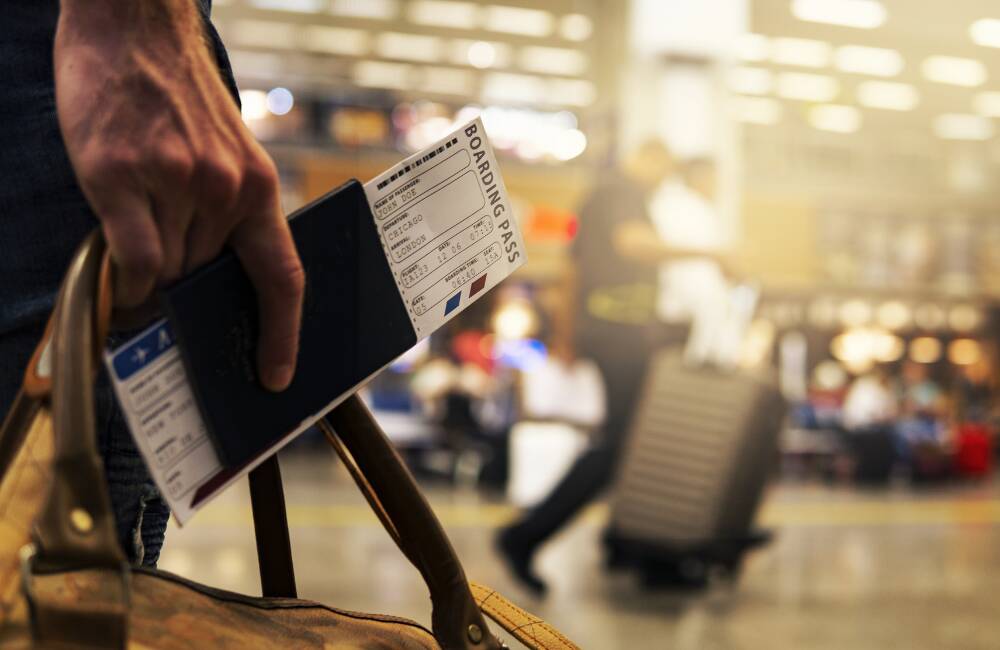
Before buying a backpack or booking a flight, you need to understand the legal boundaries of your trip. The most critical factor for a U.S. citizen traveling to Europe is the Schengen Agreement. This treaty removes border controls between 29 European countries, allowing you to cross freely. However, U.S. citizens can only stay within the entire Schengen Area for a maximum of 90 days within any 180-day rolling period.
The 90-day limit does not reset when you move between Schengen countries, so you must track your days carefully across the whole zone to avoid steep fines or deportation. Regarding entry requirements as of August 2026, the ETIAS waiver system is targeted for launch in the final quarter of the year, meaning the system and its transitional grace period are not yet active or strictly enforceable for U.S. citizens.
If you want to backpack for more than three months, you will need to weave non-Schengen countries into your itinerary. Spending a few weeks in places like the United Kingdom, Ireland, or certain Balkan nations effectively pauses your Schengen clock, allowing you to stretch your European adventure over a much longer period.
Crafting A Sustainable Itinerary And Budget
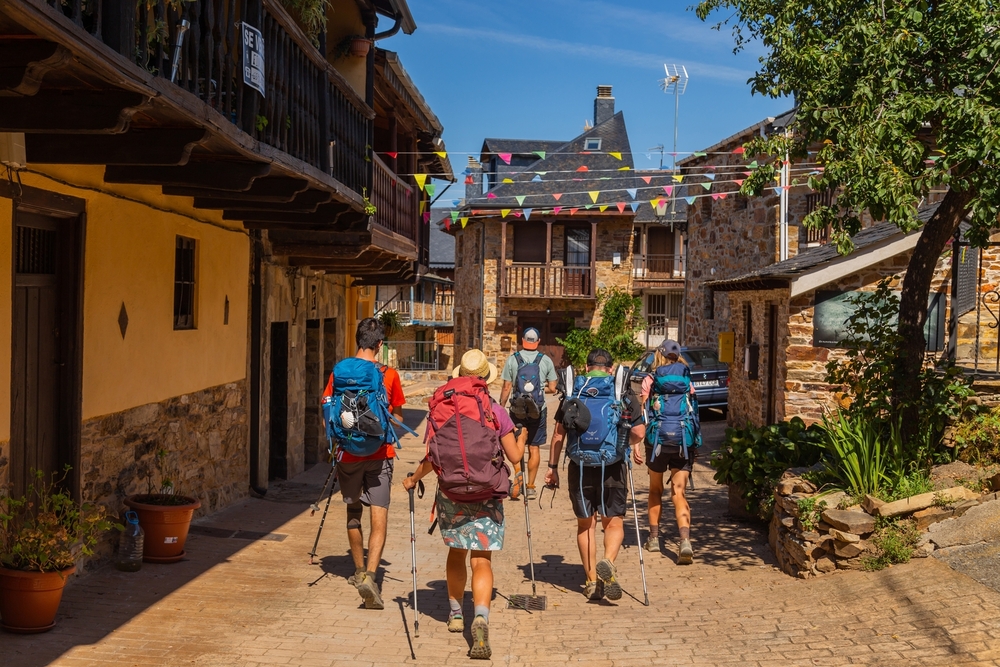
The fastest way to burn out and drain your bank account is trying to see a new country every two days. Slow travel is significantly more budget-friendly and gives you a conscious, respectful way to experience a destination. Staying longer in one place supports local economies and helps you discover neighborhood spots outside the main tourist zones.
When mapping out your route, trains usually provide the best and most scenic way to get around. The European rail network is extensive and highly affordable. If you have long distances to cover, booking an overnight train can save you a day of travel while doubling as your bed for the night.
To keep your daily budget manageable, try to build a few reliable habits:
- Shop at local markets for fresh ingredients to cook your own meals in communal hostel kitchens.
- Walk or rent bicycles to navigate cities rather than relying on expensive taxis or ride-shares.
- Seek out free walking tours offered in almost every major city, remembering to tip your guide in the local currency.
- Research regional transport passes instead of relying solely on expensive cross-continent rail tickets.
Navigating Hostels And Transit Security
Staying in shared dorms and taking overnight transit are major parts of the backpacking experience, but they require a proactive approach to security. When you check into a hostel, you generally get a locker, but you will almost always need to bring your own padlock. A sturdy combination lock is essential to secure your electronics and passport while you explore during the day.
Always keep your most critical items in a small daypack attached to your body, especially when sleeping on an overnight bus or train where petty theft is common.
If you carry prime targets like a camera, laptop, or cell phone, make sure you have a good travel insurance policy. Insurance can compensate you for stolen baggage if the theft involves force or intimidation, but it generally will not cover items that you simply lose, forget, or leave unattended in public spaces.
What Is The Best Way For The U.S. Traveler To Handle Money In Europe?
Avoid currency exchange kiosks at airports, as they consistently offer poor exchange rates. Instead, bring a U.S. debit card with zero foreign transaction fees and withdraw local currency directly from bank-operated ATMs once you arrive. While credit cards are widely accepted, you will always need cash for small purchases at local markets or for tipping.
What Do I Need For A Backpacking Trip Through Europe?
Packing smart makes your journey much smoother. Instead of dragging around things you might never use, focus on the practical gear that keeps you comfortable and prepared. This guide covers the essentials and packing habits you need for a great trip.
Essential Gear For Your Backpack
- Packing cubes: These zippered pouches completely change how you organize your clothes. They save space and keep your outfits separated, so you do not have to unpack your whole bag just to find a clean shirt.
- Universal adapter plug: Europe uses different electrical outlets than the U.S., relying mostly on Type C in mainland Europe and Type G in the UK and Ireland. Bring a universal adapter so your phone and camera stay powered up wherever you travel.
- Power bank: Long train rides, full-day walking tours, and frequent GPS use will drain your cell phone battery quickly. A compact 10,000mAh or 20,000mAh portable charger ensures your devices stay active while you are on the move.
- International SIM card: Staying connected is critical for navigation and using travel apps. You can buy a local physical SIM card when you arrive or set up an eSIM before you leave to avoid the expensive international roaming rates charged by U.S. carriers.
- Microfiber towel: Traditional bath towels are heavy, bulky, and take forever to dry. A lightweight microfiber towel packs down small and dries rapidly, making it perfect for hostels, beach afternoons, or unexpected hikes.
- Rain jacket: European weather changes frequently throughout the year. A lightweight, windproof, and waterproof shell jacket keeps you dry without taking up much space in your bag.
- Reusable water bottle: Public drinking fountains are easy to find across most European cities. Carrying a reusable bottle saves you money and helps reduce single-use plastic waste.
- Travel locks: Keep your belongings secure during transit or while using hostel lockers. Choose a combination lock so you never have to worry about losing a tiny key.
- Flip-flops: A simple pair of lightweight flip-flops is a must for hostel showers and casual walks. They are easy to pack and give you a clean barrier between your feet and public bathroom floors.
- Eye mask and earplugs: Getting good rest is vital, especially when you stay in shared dorms or noisy neighborhoods. An eye mask blocks out streetlights, while earplugs muffle loud roommates.
- Travel first aid kit: A small first aid kit is a smart addition to your gear. Pack basic items like adhesive bandages, antiseptic wipes, pain relievers, blister patches, and your personal medications to handle minor scrapes or headaches on the road.
- Multi-tool or small pocket knife: A multi-purpose tool is incredibly useful for slicing local cheese or opening packages. However, the TSA strictly prohibits pocket knives and bladed tools in carry-on bags. If you travel with just a backpack in the cabin, leave the knife at home or buy one after you land.
- High-quality hiking socks: Do not cut corners on your socks. Moisture-wicking merino wool or synthetic blends provide essential cushioning, prevent painful blisters, and keep your feet comfortable during long days of walking.
- Small flashlight: A compact flashlight helps you navigate poorly lit streets or dig through your backpack in a dark hostel room without waking everyone up. Choose a small, lightweight option that easily fits in your pocket.
- Money belt: Keeping your passport and cash secure is a top priority. A money belt offers a discreet way to store your most important documents under your clothing, giving you an extra layer of protection against pickpockets in crowded areas.
- E-reader: If you love to read, an e-reader is a fantastic way to save space and weight. It lets you carry a whole library in one small device, which is perfect for relaxing in a local park or passing the time on a long transit ride.
- Ziploc bags: Plastic zip bags are practical for solving everyday travel problems. Use them to store leftover snacks, protect your electronics from sudden rain, or keep leaky liquid toiletries isolated from your clothes.
- Day pack: In addition to your main backpack, you need a smaller day bag for exploring cities or taking short hikes. It allows you to carry your daily water, camera, and rain jacket without lugging your entire wardrobe around. Look for a lightweight pack with comfortable shoulder straps.
How To Prepare A Backpack For Europe
Once you gather your essentials, your next step is cutting out unnecessary weight. A few realistic packing habits make a much bigger difference than buying expensive lightweight gear.
- Plan to do laundry: For a two-week trip, packing roughly one week of clothing is usually enough as long as you plan a laundry stop. Many hostels have washing machines, and local laundromats are easy to find in most major cities.
- Rewear clothes when it makes sense: Not every item needs a wash after one use. Pants, sweaters, and outer layers can often be worn several times. This strategy lets you pack fewer pieces while staying completely comfortable.
- Keep your toiletry bag small: Use travel-size containers and skip heavy products you can easily buy at your destination. If you fly from the United States with only a carry-on, remember that your liquids and gels must strictly follow the TSA 3-1-1 rule.
- Use compression cubes selectively: Compression cubes reduce the volume of your soft clothing, but they do not change the actual weight. Use them to keep your bag organized rather than using them as a shortcut to squeeze in five extra shirts.
- Do not pack for every what-if scenario: Pack for the weather and activities you genuinely expect to encounter. If a cheap item is only useful for a rare emergency, you are better off buying it locally if the situation actually happens.
- Skip bulky clothing: Choose lightweight layers that you can stack together instead of packing one massive winter coat. Quick-drying fabrics are especially helpful when you need to wash items in a hostel sink.
- Limit yourself to two or three pairs of shoes: Shoes consume more space than almost anything else in a backpack. For most itineraries, one supportive walking pair and one lighter option like sandals will cover your needs. Only add a third pair if a specific activity genuinely demands it.
- Choose a backpack that fits your body: A well-fitting backpack matters far more than fancy pockets or brand names. Look for comfortable shoulder straps, a supportive hip belt, and a size you can physically carry when fully loaded.
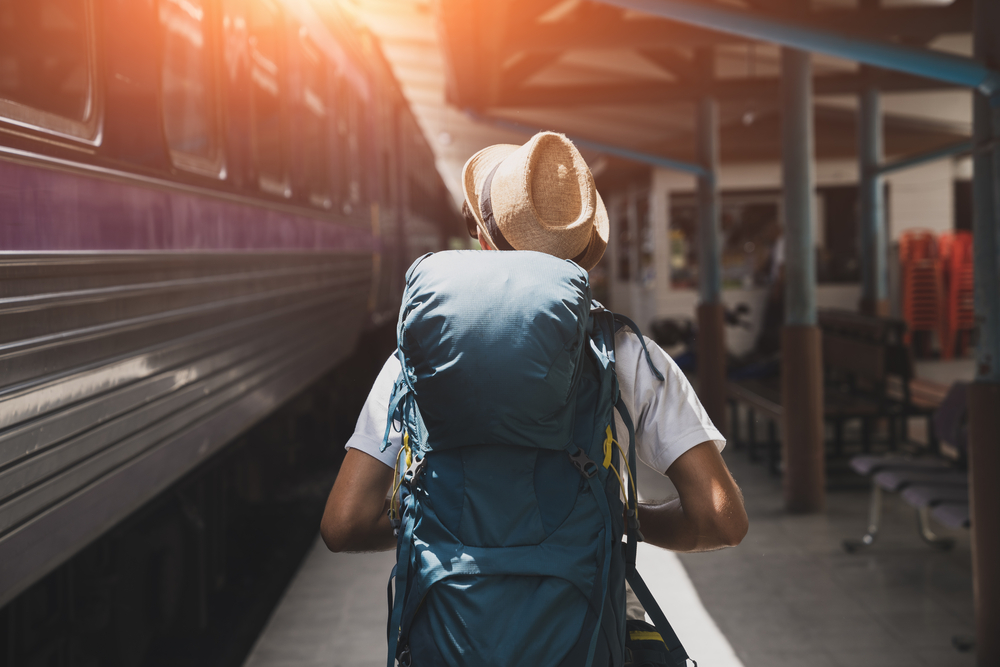
As you prepare for your trip, keep in mind that the most memorable moments usually happen when you stray from the itinerary. Backpacking is about connecting with new cultures and embracing a lifestyle of genuine discovery. By traveling consciously and respecting local communities, you step out of the typical tourist mold and become a welcome guest.
Featured stories