Senegal is often called the “Gateway to Africa,” and it is easy to see why. This vibrant nation offers a perfect blend of deep-rooted history, stunning natural landscapes, and a modern pulse that is uniquely its own. From the rhythmic streets of Dakar to the tranquil mangroves of the south, every corner tells a story.
At the heart of every journey here is the concept of Teranga hospitality. In the local Wolof language, Teranga means more than just being a good host. It is a philosophy of sharing and openness that makes every visitor feel like an honored guest.
Planning a trip to this part of the world is an exciting venture. To make the most of it, understanding the logistics and what to do in Senegal is essential. With the right preparation and traveler protection, your adventure will be as smooth as the Atlantic breeze.
Index
Flights and entry requirements
Reaching the soul of West Africa has never been more straightforward. For those coming from the East Coast of the U.S., the journey typically begins with flights from JFK to Dakar (DSS).
Direct options through Delta Air Lines or Air Senegal make the trip manageable, landing you at the modern Blaise Diagne International Airport in about eight hours. This ease of access has made Senegal a top choice for those looking to experience the continent for the first time or return for a deeper dive.
Visa requirements and entry
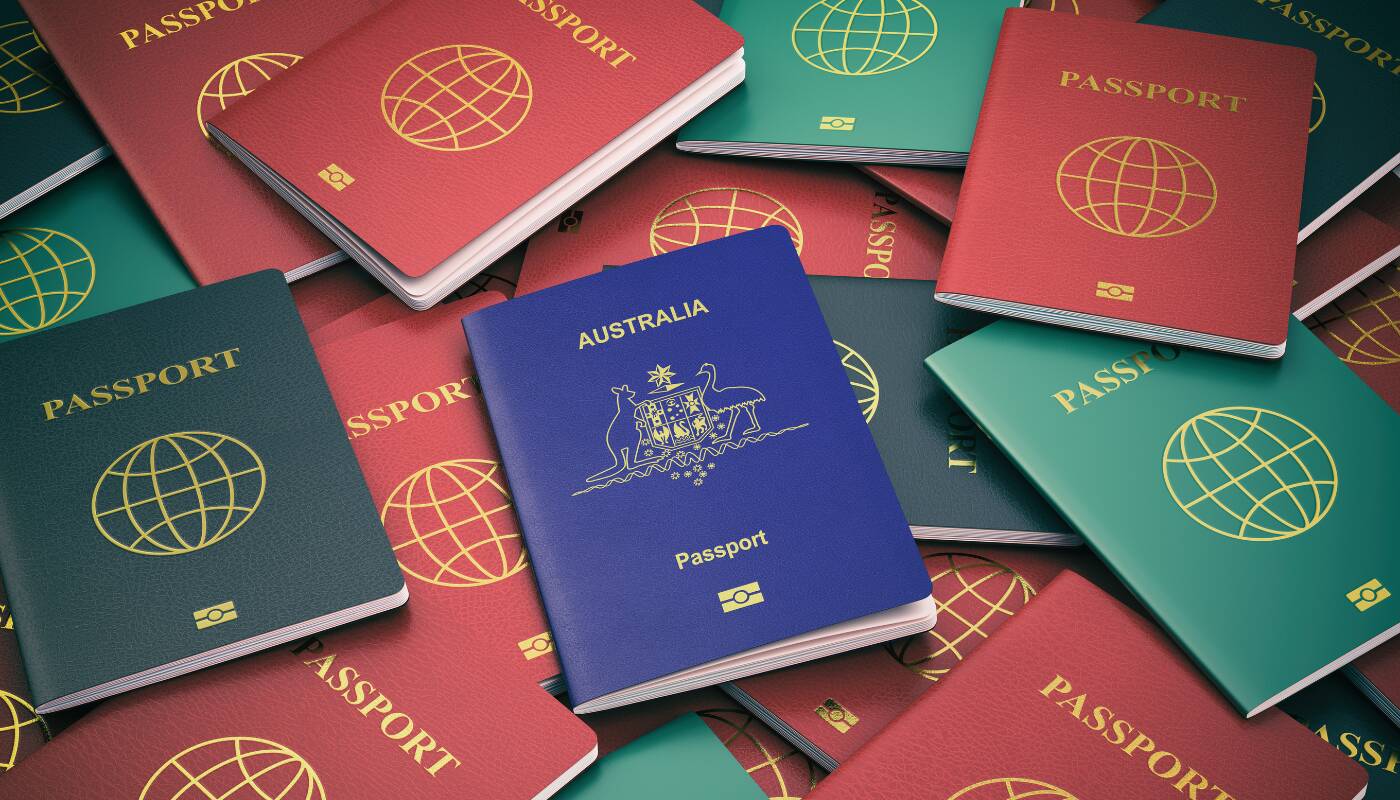
The entry process is designed to be welcoming. Currently, many international visitors, including those from the US, don’t require a visa for stays under 90 days. You will simply need:
- A passport with at least six months of validity.
- Proof of a return or onward flight ticket.
- A yellow fever vaccination certificate (often checked upon arrival).
Travel tip: While the paperwork is simple, travel can be unpredictable. From a missed connection at JFK to baggage delays at DSS, travel insurance ensures that these small hurdles don’t interrupt your experience.
Embracing Teranga
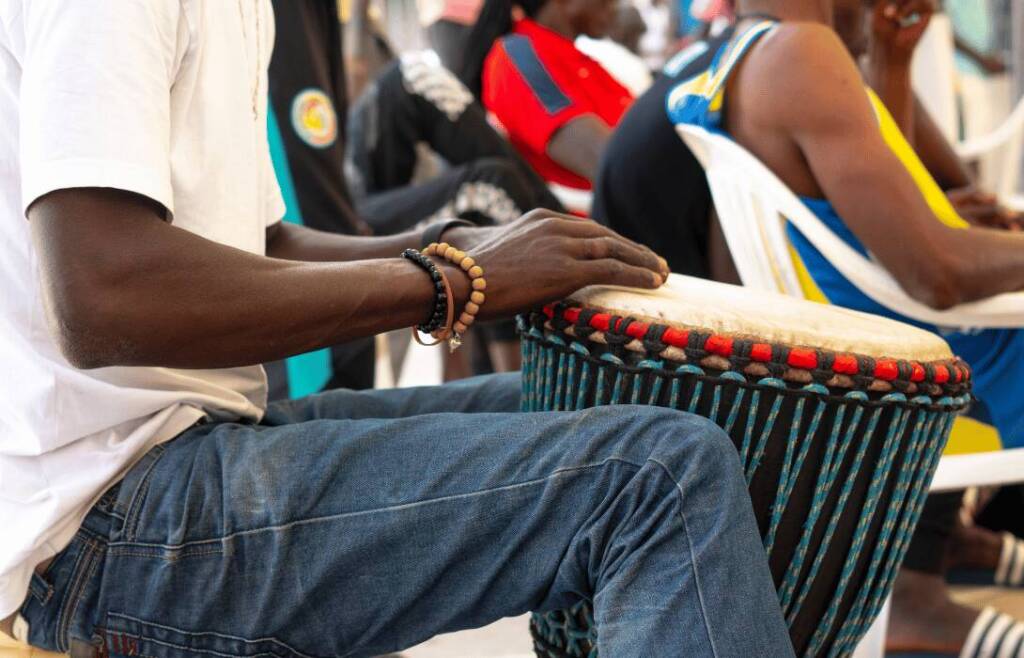
To travel through Senegal is to be constantly surprised by its warmth. Teranga hospitality isn’t a performance; it is a way of life. You will encounter it in the offers of hot Ataya tea and the genuine smiles of the people you meet.
This cultural openness makes for an incredibly rewarding travel experience. However, being a guest also means traveling responsibly. Respecting local traditions and dressing modestly in rural areas will deepen your connection to the people you meet.
Top things to see and do in Senegal:
Senegal’s diversity is its greatest asset. From the desert dunes to tropical mangroves, here is a list of the top experiences for your itinerary:
- Goree Island (House of Slaves): A poignant UNESCO site that offers a deep look into the history of the transatlantic slave trade.
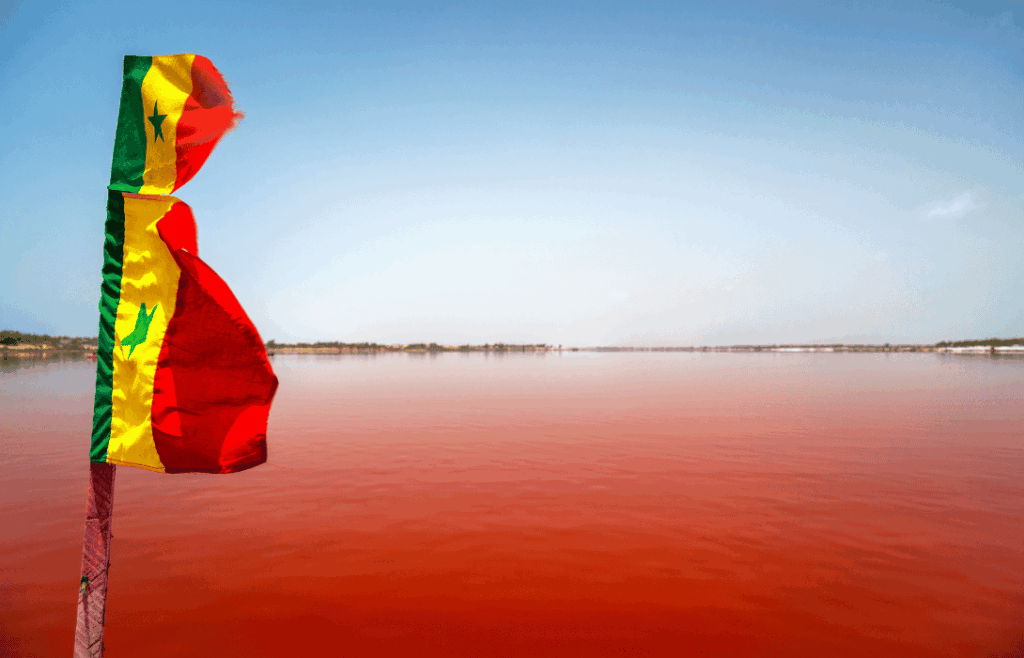
- Pink Lake (Lake Retba): A surreal natural wonder where the water turns a striking strawberry hue.
- Saint-Louis: A historic UNESCO World Heritage site famous for its jazz culture and colonial architecture.
- African Renaissance Monument: The tallest statue in Africa, offering incredible views of the Dakar coastline.
- Bandia Wildlife Reserve (Safari): A protected area where you can see giraffes, rhinos, and baobab trees.
- Djoudj National Bird Sanctuary: One of the world’s most important bird habitats, ideal for a boat safari.
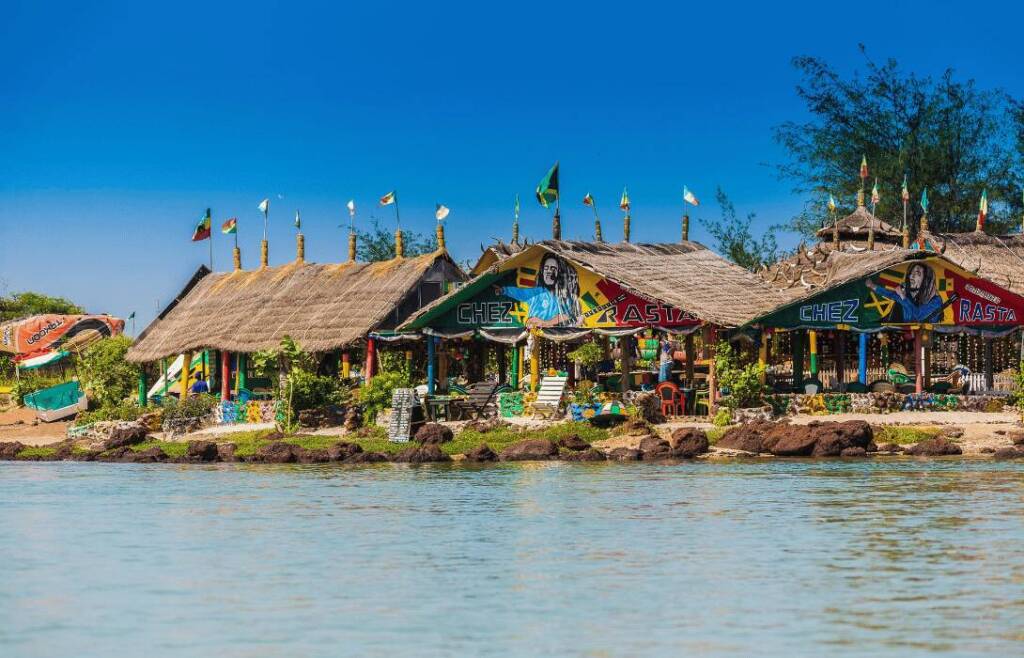
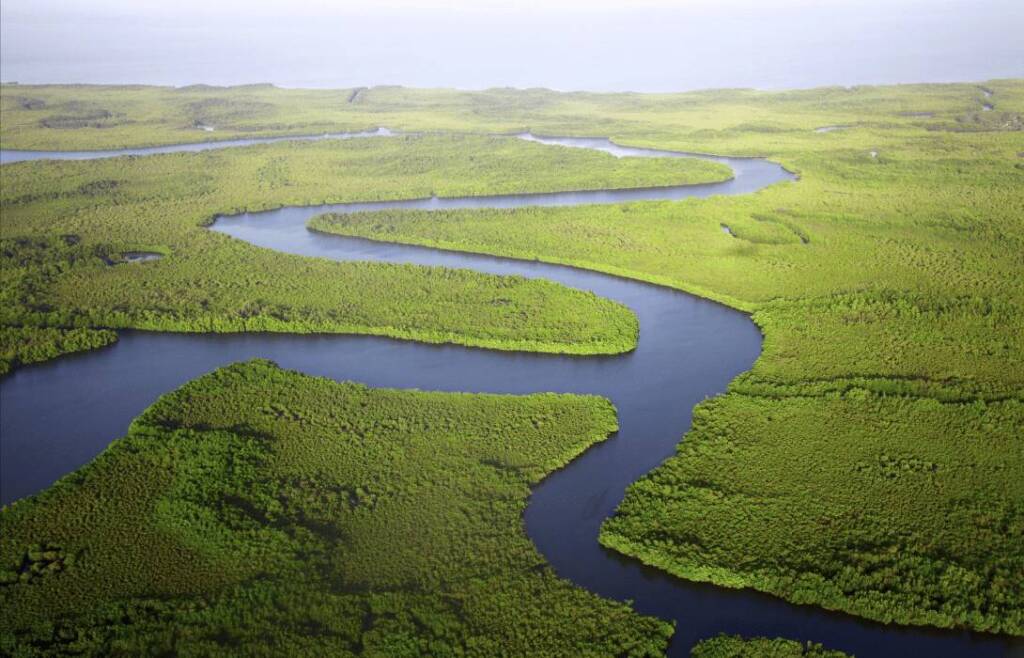
- Delta du Saloum: A peaceful network of islands and mangroves where the river meets the sea.
- The Casamance Region & Beaches: The lush, tropical south of the country, home to the beautiful sands of Cap Skirring.
- Lompoul Desert: An orange-sand desert where you can stay in traditional tents under the stars.
- The Great Mosque of Touba: A stunning piece of Islamic architecture and a major spiritual center.
- Joal-Fadiouth: A unique village built entirely on sea shells.
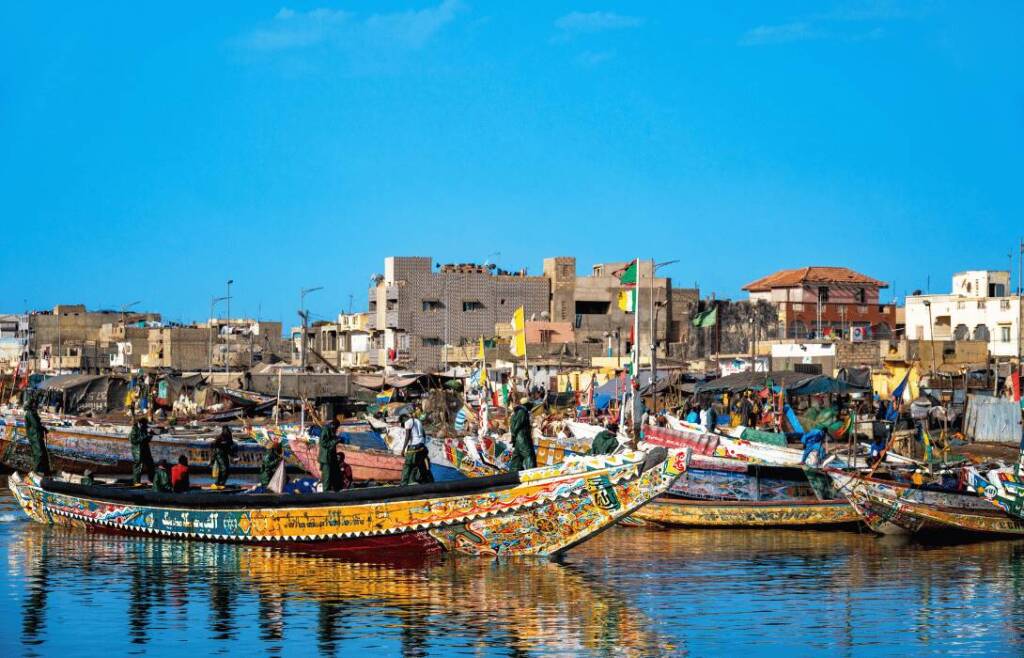
- Mbour Fish Market: A sensory experience where you can watch the daily arrival of traditional wooden fishing boats.
Is Senegal safe for tourists?
Senegal is widely considered one of the most stable and safe countries in Africa. The spirit of Teranga hospitality means that locals are generally very helpful and welcoming toward visitors. However, like any travel destination, safe travel requires a bit of common sense and preparation.
Practical safety advice
- Urban areas: In busy parts of Dakar, such as the Sandaga or Kermel markets, be mindful of pickpockets. Keep your phone and wallet in a secure, internal pocket.
- Road safety: It is best to avoid driving at night outside of major cities due to poor lighting and livestock on the roads.
- Health: Always drink bottled or filtered water, and consult your doctor about malaria prevention before you arrive.
The best time to visit Senegal for a perfect trip
Timing is key to experiencing the best of what this country has to offer. Because Senegal has a tropical climate, the year is divided into two main seasons: the dry season and the rainy season.
The dry season (November to May)
This is widely considered the most comfortable time to explore. The temperatures are milder, and the air is much less humid, making it the perfect window for long days of sightseeing in the city or trekking through the countryside.
- Cultural highlights: This is also the time for major events like the Saint-Louis Jazz Festival, which draws artists and fans from around the world every spring.
- Nature: Water levels in the national parks are lower, making wildlife easier to spot as animals gather around permanent water sources.
The rainy season (June to October)
Also known as the “wintering” season, this period brings heat and sudden, dramatic tropical storms. While some travelers avoid the rain, it transforms the landscape into a lush, emerald-green paradise—especially in the south. However, some unpaved roads in rural areas can become a challenge to navigate during peak rainfall.
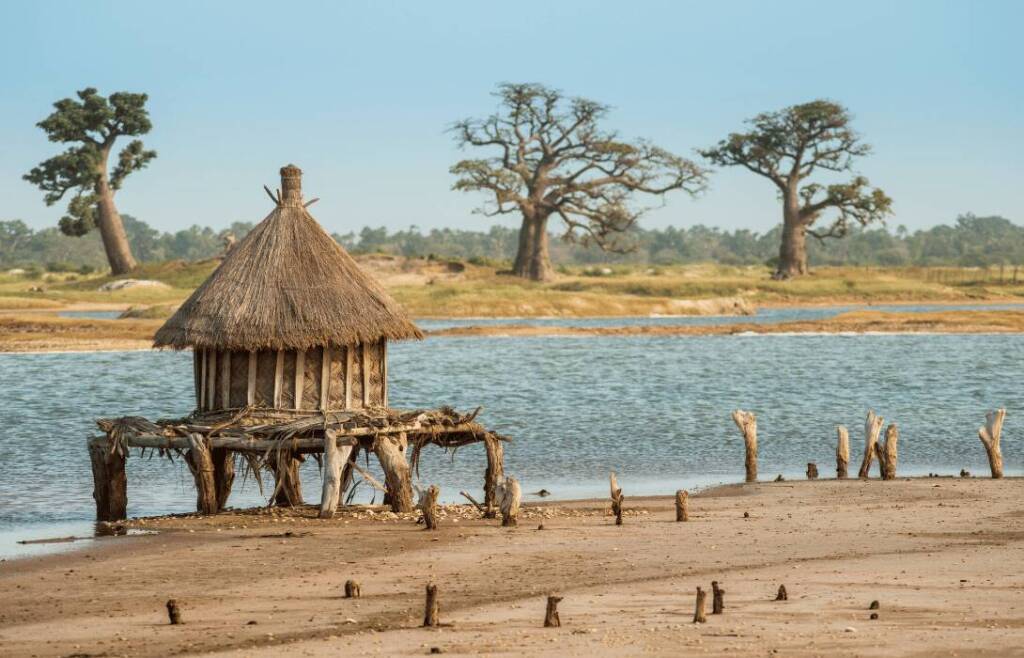
Exploring Dakar: The Vibrant Capital of West Africa
Dakar is a city that never seems to sleep. Situated on a peninsula jutting into the Atlantic, it is a place where modern skyscrapers stand alongside colorful, traditional markets. It is the cultural and economic heart of the region, and its energy is infectious.
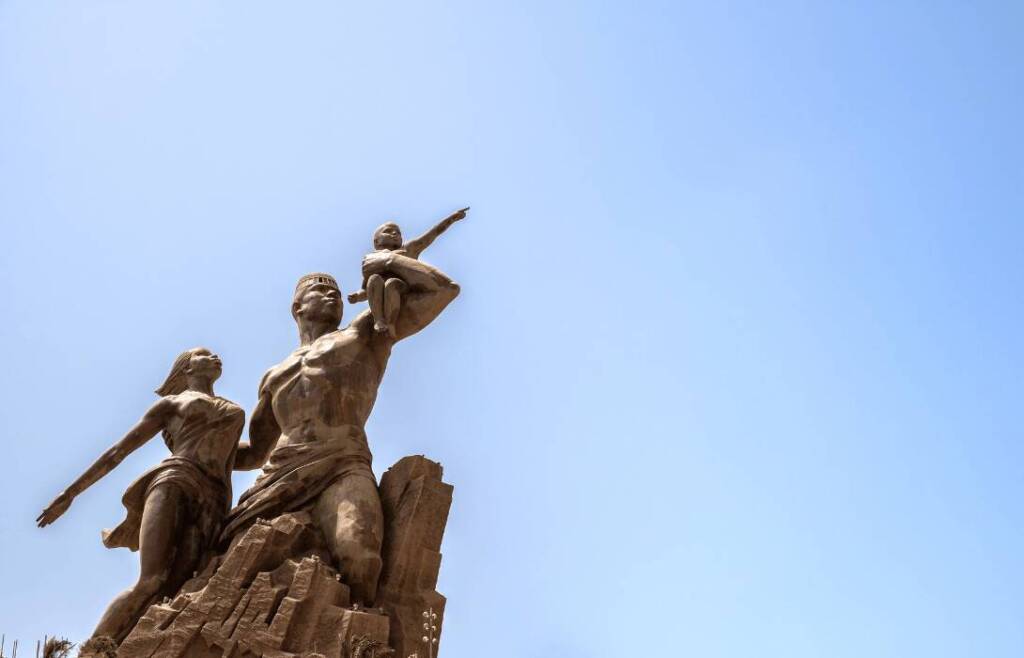
The African Renaissance monument
One of the first things you will notice on the Dakar skyline is the African Renaissance Monument. This massive bronze statue is a powerful symbol of the continent’s future. Climbing the steps to its base offers one of the best panoramic views of the city and the ocean.
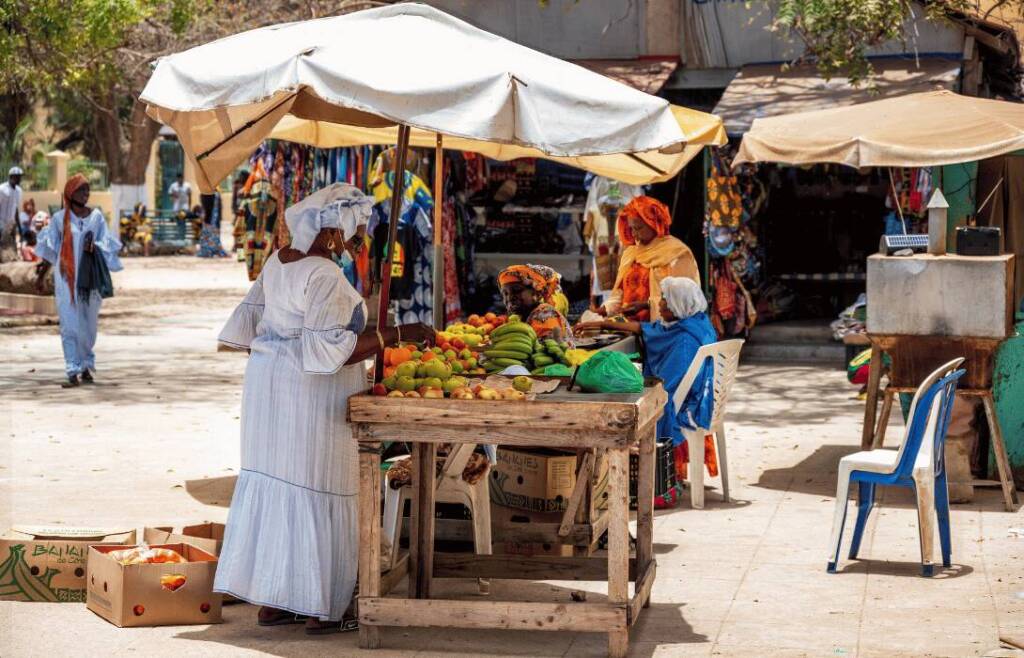
City life and local markets
To truly see what to do in Senegal, you must get lost in the markets of Dakar. Marché Kermel, housed in a beautiful circular building, is famous for its high-quality crafts and fresh produce. Meanwhile, Marché Sandaga is the place to find everything from vibrant fabrics to local electronics.
While the city is generally welcoming, the busy crowds can sometimes be overwhelming. Staying aware of your surroundings is the best way to ensure safe travel.
Unmissable day trips from Dakar: Goree Island and Lake Retba
While the capital offers endless energy, some of the most iconic experiences are found just a short distance from the city center. Two sites, in particular, offer a profound contrast between history and natural wonder.
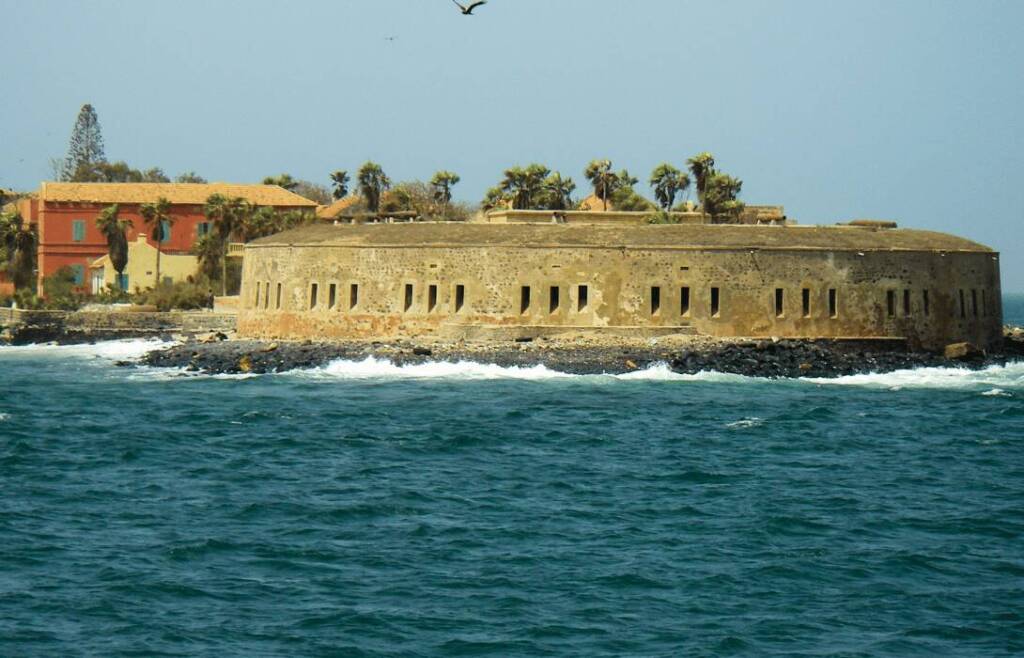
Goree Island (House of Slaves)
A 20-minute ferry ride from the Dakar terminal transports you to another era. Goree Island (House of Slaves) is a car-free sanctuary of narrow, sandy alleys and colonial buildings draped in bougainvillea.
Despite its tranquil beauty today, the island holds a heavy history. The Maison des Esclaves is a moving memorial to the transatlantic slave trade. Standing in the “Door of No Return,” looking out at the Atlantic, is a deeply reflective moment for every visitor. Beyond the museum, the island is home to local artists and quiet cafes, making it a place of both remembrance and peace.
The surreal pink lake (Lake Retba)
About an hour’s drive north of Dakar, you will find the Pink Lake (Lake Retba). This shallow lagoon is famous for its high salt content—sometimes reaching 40%—which allows a specific type of algae to thrive and turn the water a vibrant strawberry hue.
- When to visit: The pink color is most intense during the dry season (November to June), especially under the midday sun.
- The Salt Harvest: You can watch local workers covered in shea butter (to protect their skin from the salt) as they collect minerals from the lake bed in traditional wooden boats.
Keep in mind: Exploring these sites often involves navigating local ferries or hiring private drivers.
How many days do you need to see the best of Senegal?
One of the most common questions for those planning a trip is how to allocate their time. Senegal is a country that rewards both slow travel and focused itineraries.
The 7-day “highlights” itinerary
If you have one week, it is best to focus on the central and northern regions:
- Days 1–3: Explore Dakar, Goree Island, and the African Renaissance Monument.
- Day 4: A day trip to the Pink Lake and a sunset safari at Bandia Wildlife Reserve.
- Days 5–7: Head north to the historic city of Saint-Louis and explore the nearby bird sanctuaries.
The 14-day “deep dive” itinerary
With two weeks, you can truly experience the diversity of the landscape:
- Follow the 7-day plan above, then head south.
- Days 8–10: Immerse yourself in the Delta du Saloum, staying in an eco-lodge among the mangroves.
- Days 11–14: Take a short flight or ferry to the Casamance region & beaches. This lush tropical area is perfect for winding down your trip under the palm trees of Cap Skirring.
Exploring with peace of mind
Senegal is a destination that offers everything from moving historical insights to vibrant natural wonders. Whether you are mesmerized by the salt harvesters at Lake Retba, finding peace in the mangroves of the Delta du Saloum, or walking the colonial streets of Saint-Louis, the beauty of the country is constant.
However, the true magic of Senegal lies in its people. Embracing the spirit of Teranga means opening yourself up to new experiences and deep cultural connections. By planning your logistics ahead of time—from understanding entry requirements to mapping out your route through the Casamance region—you set the stage for a seamless adventure.
Travel is about discovery, but it is also about being prepared for the unexpected. Whether it’s a minor health hiccup in a remote village or an unexpected flight delay, having traveler insurance is the final piece of the puzzle. With Heymondo, you can enjoy every moment of your journey knowing that support and expertise are always within reach.
Please keep in mind that having travel insurance like Heymondo can help you enjoy your adventure with total peace of mind. Learn more about our policies.
Featured stories