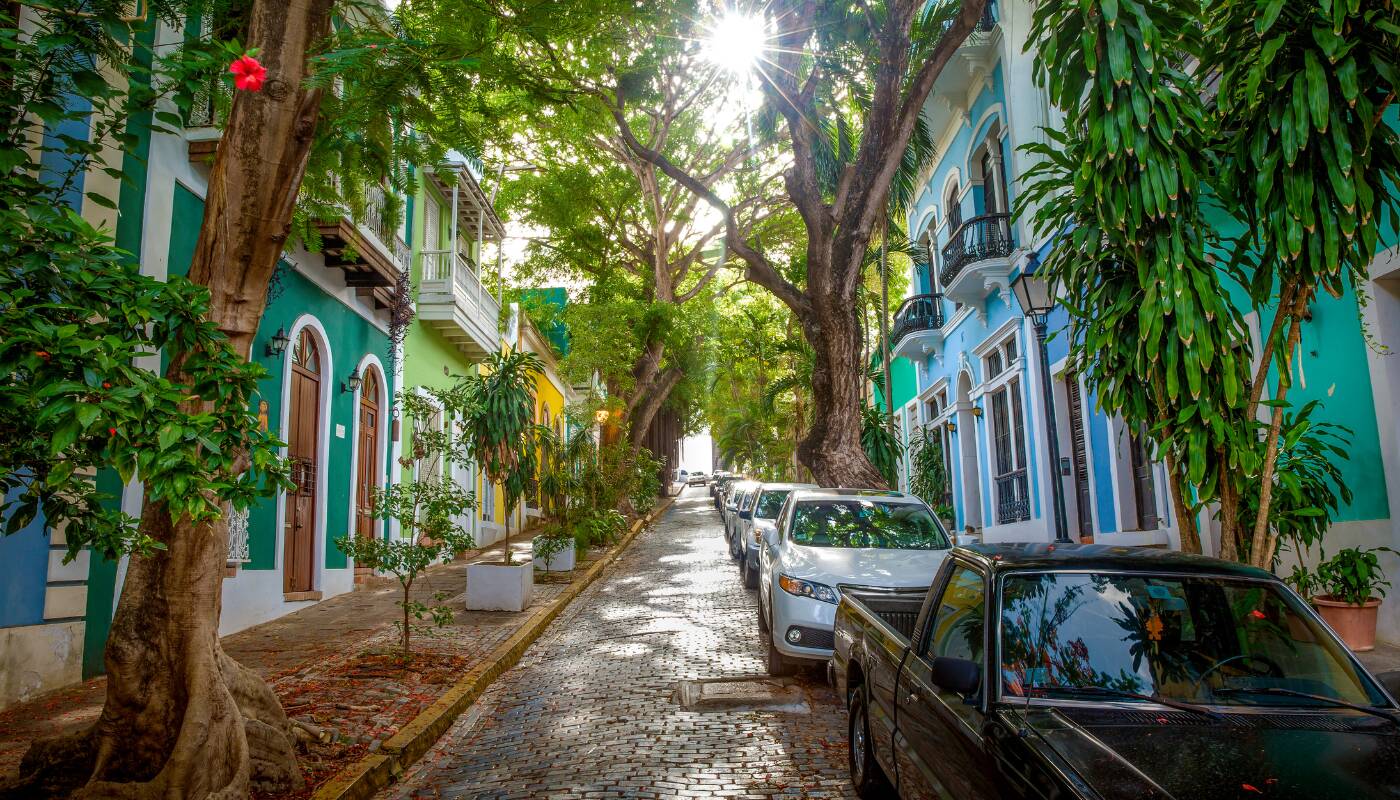
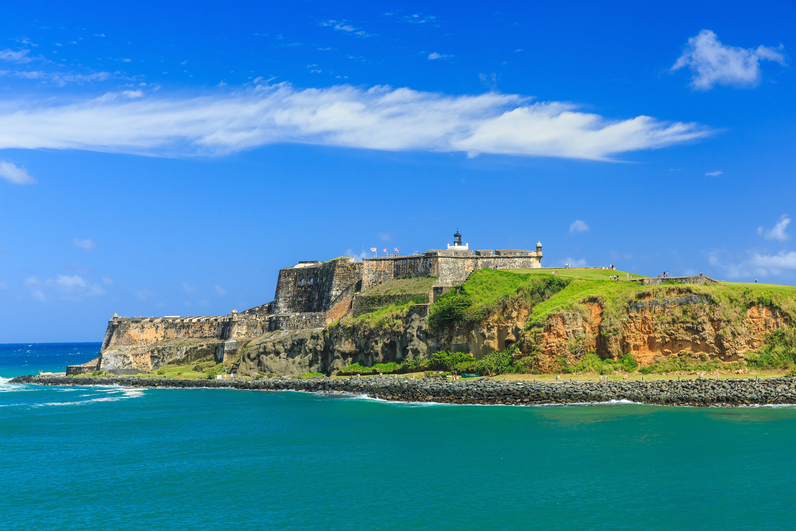
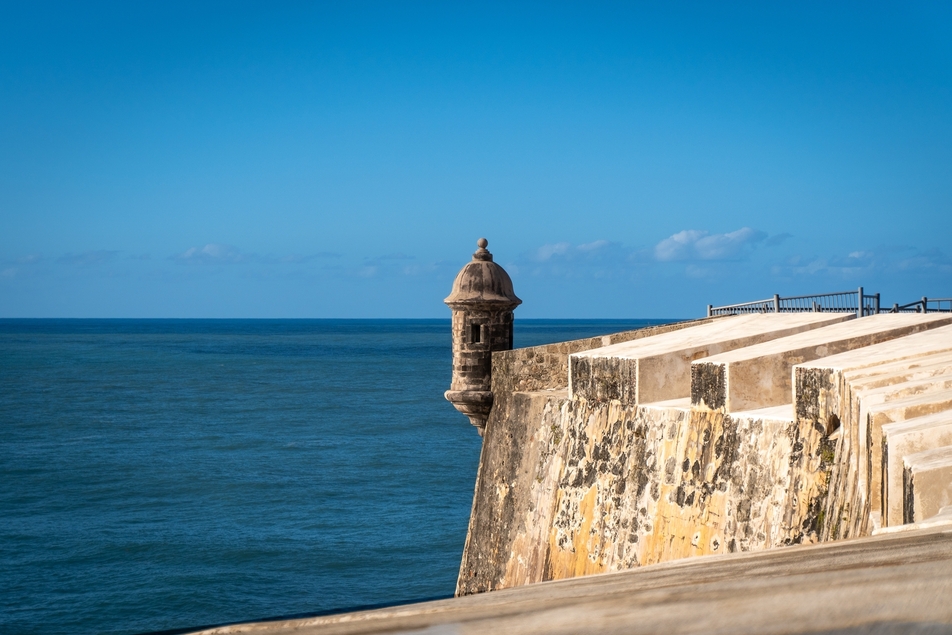
El Morro, also known as Castillo San Felipe del Morro, is one of the top attractions in Puerto Rico. It is a fortification that was built in the 16th century, that people travel from all around the world to visit. If you are thinking of a place to visit with your family, El Morro should be on your list. At Heymondo, we have prepared the ultimate checklist for El Morro.
Read on to learn more about the wondrous Puerto Rican destination, El Morro.
Index
History of El Morro
The history of El Morro is one of its best assets. Castillo San Felipe del Morro, popularly known as El Morro, was built in San Juan in the 16th century. El Morro is located at the entrance of San Juan Bay and serves as a city wall for Puerto Rico. At the end of the Spanish-American war, El Morro came under the rule of the United States. However, it continued to serve as a protective site for Puerto Rico. During the I and II World Wars, the United States used El Morro as a military base.
After World War II, El Morro ceased being a military structure and was declared a World Heritage Site by the United Nations. Since then, El Morro has become an attraction for thousands of people and a popular site for events like concerts and performance arts. Thanks to its breathtaking view of history, El Morro is currently one of the top tourist destinations in Puerto Rico. Additionally, El Morro is one of the top UNESCO World Heritage Sites. Besides tourists, Puerto Ricans also enjoy visiting this fortification for leisure and photo opportunities.
Planning your visit inside El Morro
The San Juan National Historic Site is a fantastic destination to visit. If you are planning to visit El Morro, you should be looking forward to learning a thing or two about the history of San Juan Bay. You can also look forward to taking some fantastic pictures at the San Juan harbor.
El Morro is usually open daily from 9:00 in the morning to 5:00 in the afternoon. The entrance charges at El Morro are $10 for adults (ages 16 and older), while children 15 and under are free. Please note that the park is cashless, so be sure to have a credit or debit card ready for entry fees. While the National Park Service offers free entry days for U.S. residents on specific holidays like President’s Day or Memorial Day, there are currently no fee-free days scheduled for March 2026.
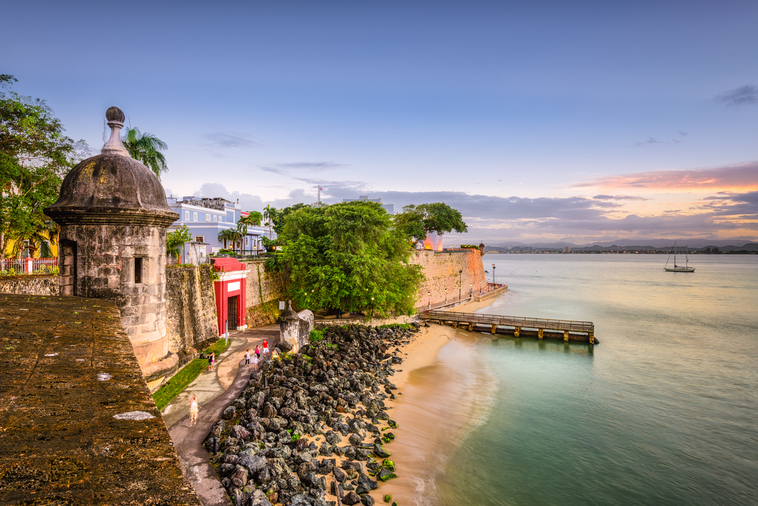
You need not worry about what to wear when visiting this part of the San Juan National Historic Site. All you have to do is ensure that your clothes are weather-appropriate for a visit to the sentry boxes (garitas). You will also need appropriate shoes to promote your exploration and a lot of water.
What to see near El Morro?
Besides the beautiful and historic fortification, there are many incredible places near El Morro that you can visit to make the most out of your trip. Let us look at the top ones below:
- Cuartel de Ballajá. This is a historic building and former military barracks in the Ballajá section of Old San Juan. It currently houses the Museum of the Americas (Museo de Las Américas), as well as several cultural organizations and a music school. It is a must-visit for its stunning courtyard and architectural history.
- Santa Maria Magdalena de Pazzis Cemetery. This structure was built in the 19th century and is currently one of the most attractive memorial parks in the world. It is an oceanfront historical landmark located outside the walls of El Morro. The cemetery was built to overlook the Atlantic Ocean to symbolize the departed’s spiritual journey to the afterlife.
- La Rogativa. The La Rogativa is a famous bronze statue that offers one of the best views of San Juan Bay. The sculpture commemorates a religious procession of 1797 led by women which, according to legend, halted a British invasion.
- The Gate of San Juan (Puerta de San Juan). This is the most iconic remaining gate of the city’s original walls. Painted a vibrant red, it serves as a beautiful entrance to the city where you will discover restored Spanish colonial buildings and elegant balconies.
- Castillo San Cristóbal. This is an imposing fortress constructed to protect Old San Juan from land attacks. This 150-year-old citadel features three levels and a complex tunnel system. Like El Morro, it has been a UNESCO World Heritage site since 1983.
- Capilla del Cristo. Known in English as the Chapel of Christ the Savior, this is a small 18th-century chapel with a fascinating history. Locals strive to maintain the chapel in good condition as it is one of the area’s leading attractions.
- Casa Blanca. Built in 1521, this was the first fortification in San Juan and the ancestral home of the Ponce de León family. Today, it is a museum and garden managed by the Institute of Puerto Rican Culture.
- Catedral de San Juan. This is the grandest religious building in Puerto Rico and the second-oldest cathedral in the Americas. It is the final resting place of the explorer Juan Ponce de León.
- La Fortaleza. Also known as “The Fortress,” it has been the official residence of the Governor of Puerto Rico since the 16th century and is the oldest executive mansion in continuous use in the New World.
- Calle Fortaleza. This is the main street in Old San Juan, famous for its vibrant atmosphere, shops, restaurants, and seasonal overhead art installations (like the famous umbrellas).
- Teatro Tapia. This is the oldest free-standing drama stage building in San Juan. Its elliptical form offers a clear view for spectators from every angle, and it remains a premier venue for performing arts today.
- Iglesia San Francisco. Located on Calle San Francisco, this historic 18th-century church is famous for its beautiful interior and its underground crypt, where several notable figures are buried.
- Centro de Estudios Avanzados (Former Seminario Conciliar). This historic building formerly served as a seminary for the priesthood. Today, it is a prestigious center for advanced academic studies regarding Puerto Rico and the Caribbean.
- Department of Treasury. This historic building houses Puerto Rico’s executive department of the government. Established in 1811, the structure is a beautiful example of the administrative architecture of the Spanish colonial era.
Do not forget your insurance
Traveling internationally is not something you can do without prior preparation. You must get your travel documents and meet specific requirements to enter the country. While preparing for your trip, one thing you should not neglect is travel insurance. This form of insurance covers medical costs and losses from incidences like theft and property damage. Comprehensive travel insurance will give you peace of mind while exploring a foreign destination.
The Heymondo travel insurance is a great option for travelers. Heymondo can cover medical expenses worth up to $10,000,000. It also covers medical assistance, such as tests, specialist care, hospitalization, treatment, and medical supplies. With Heymondo, you don’t need to worry about high medical costs if an emergency occurs.
Heymondo also has a 24/7 app where you can look for assistance. For instance, if you need medical assistance, you can consult with medical teams through the online chat. The app provides various benefits like direct access to a medical team for consultations and easy management of your policy while on the go.
Featured stories